
Tesla Powerwall 3 Review: Is It Worth It in Australia?
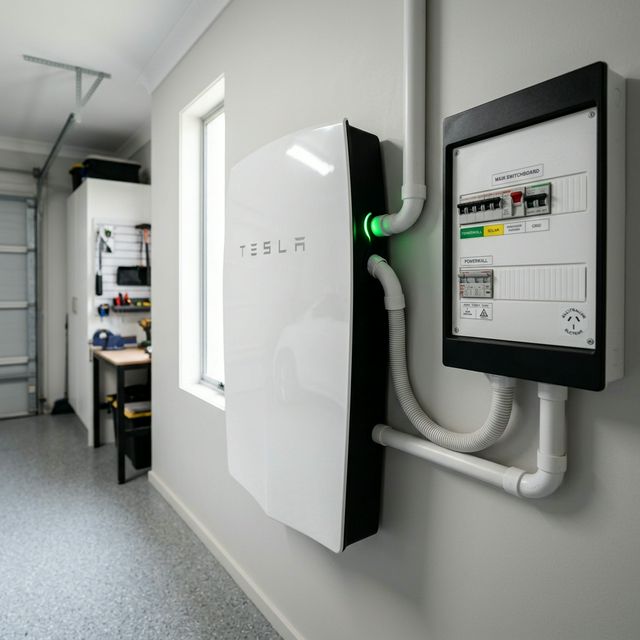
Tesla's Powerwall has been the aspirational home battery for years — recognisable brand, solid software, strong backup performance. The Powerwall 3 raises the bar again with its built-in solar inverter. But in Australia's market, where you can get a quality battery for significantly less, the question is always: is the Tesla premium justified?
Here's an honest assessment — not a press release rewrite.
Powerwall 3 Specs: What You're Actually Getting
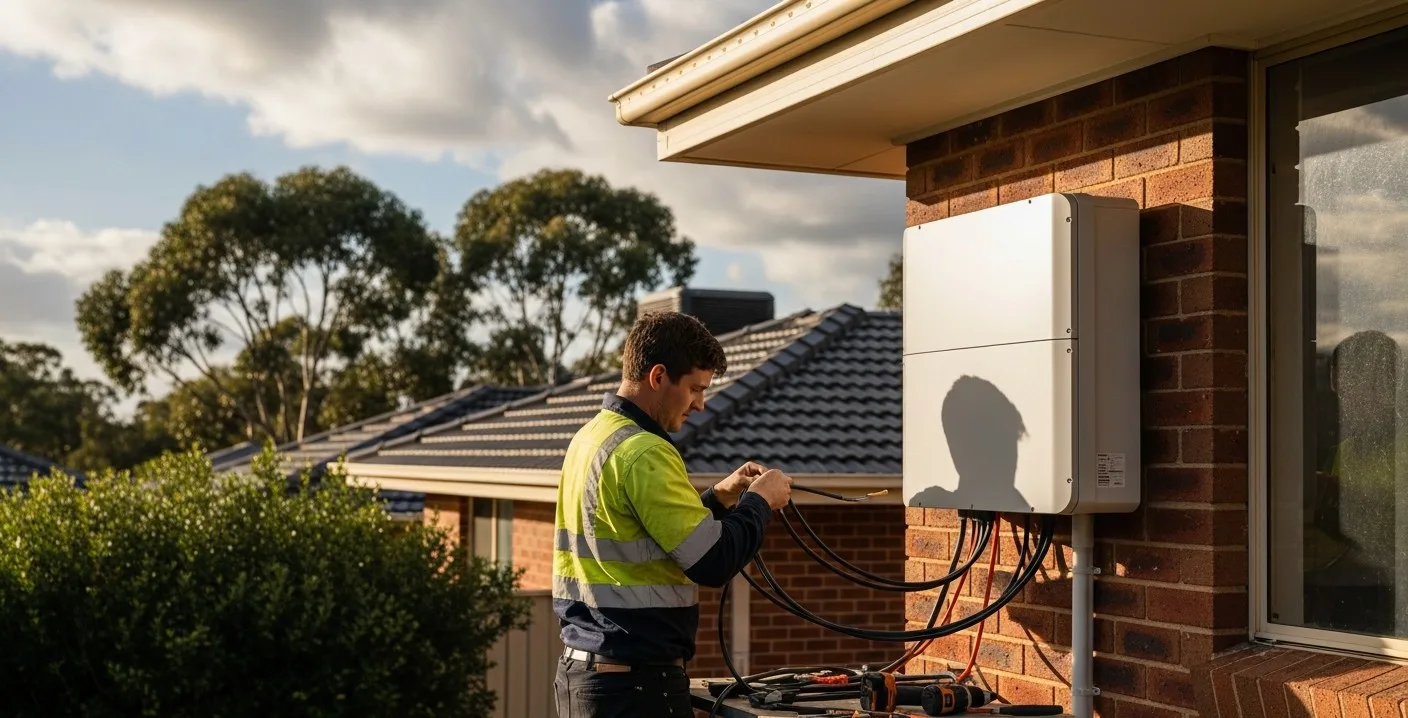
The Powerwall 3 arrives as a genuinely different product to its predecessor:
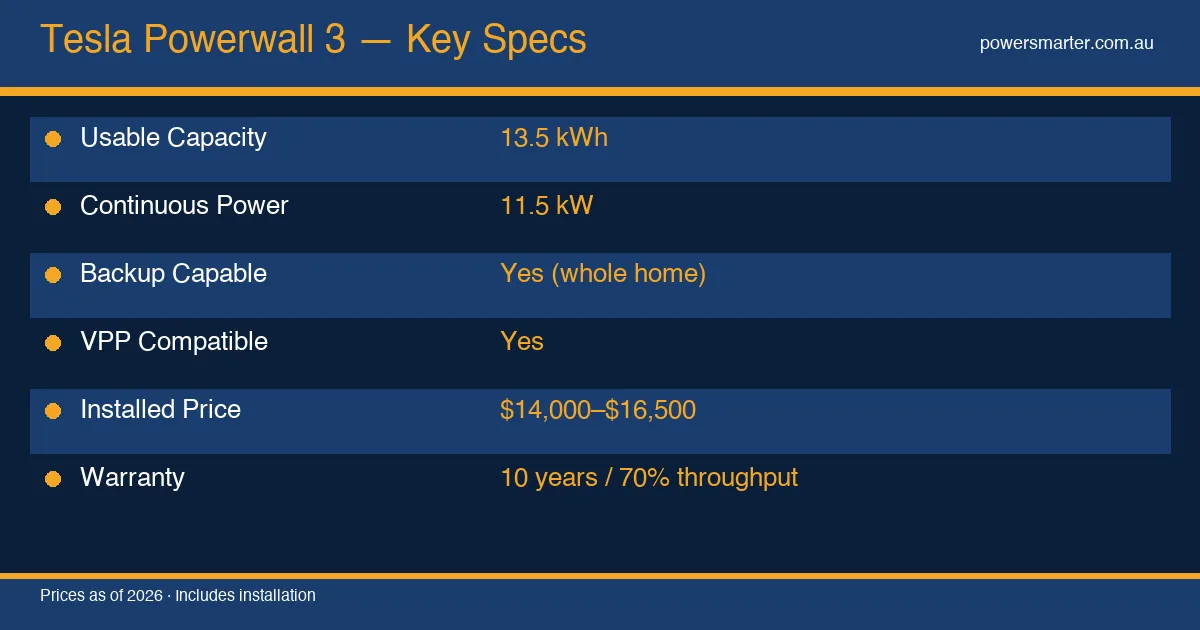
- Usable capacity: 13.5kWh
- Continuous power output: 11.5kW (up from 7.6kW in Powerwall 2)
- Peak power: 22kW for 10 seconds
- Built-in solar inverter: Yes — supports up to 6 strings, 20kW DC input
- Battery chemistry: LFP (lithium iron phosphate)
- Warranty: 10 years, 70% capacity retention
- Operating temperature range: -20°C to 50°C
- Scalable: Up to 4 units (54kWh)
The integrated inverter is the big story here. With Powerwall 3, you don't need a separate solar inverter — the unit handles solar input, battery management, and household supply in one box. That simplifies installation significantly and reduces hardware costs when compared to a separate hybrid inverter + battery setup.
Australian Pricing (March 2026)
This is where it gets real. Tesla pricing in Australia:
- Powerwall 3 hardware: approximately $12,000–$13,500 AUD
- Installed price (with solar, full system): $18,000–$28,000 depending on solar size
- Battery-only installation (retrofit to existing solar): $14,000–$17,000
After the CHBP rebate, which pays $372/kWh for the first 50kWh of usable capacity: the Powerwall 3's 13.5kWh capacity qualifies for $5,022 in rebate (13.5 × $372). This brings the net installed cost of a battery-only retrofit to roughly $9,000–$12,000.
Compare that to a quality Sungrow or BYD 10–12kWh system after CHBP: $5,000–$8,000. The Tesla premium is real — typically $3,000–$5,000 more than competing brands for equivalent capacity.
What You Get for the Premium
The Powerwall 3 isn't just paying for the brand. There are genuine advantages:
Integrated Inverter
For new solar installs, the all-in-one design means one piece of hardware instead of two. This reduces installation time, simplifies the system, and cuts out the separate hybrid inverter cost (typically $1,500–$3,000). For some buyers, the premium nearly disappears when you factor this in.
Whole-Home Backup
The 11.5kW continuous output and 22kW peak means the Powerwall 3 can genuinely run your entire home during a blackout — including air conditioning, ovens, and EV chargers simultaneously. Most competitor batteries in this price range offer 5–7.6kW continuous — enough for essentials, but not everything at once.
Tesla App and Software
Tesla's monitoring and control software is genuinely excellent — real-time energy flows, time-of-use scheduling, storm watch mode (pre-charges in severe weather forecasts), and seamless VPP integration. The app experience is a cut above most competitors.
VPP and Grid Services
Tesla operates its own VPP in Australia, allowing Powerwall owners to earn revenue by contributing grid services during peak demand periods. The earnings vary by market and conditions, but it's a legitimate additional income stream.
The Downsides
Cost Per kWh
At $14,000+ installed, you're paying roughly $1,040/kWh of usable capacity. Quality alternatives like BYD HVS or Sungrow SBR come in around $700–$850/kWh installed after rebates. The premium is hard to justify purely on capacity economics.
Installer Dependency
Tesla requires installation by Tesla-certified Powerwall installers. This limits your choice of tradespeople and can mean longer wait times in regions with fewer certified installers. You can't simply get any SAA-accredited installer — they must be Tesla-certified specifically.
Retrofit Complexity
If you're adding a Powerwall 3 to existing solar with a different inverter brand, you'll need to run the battery in AC-coupled mode. This works fine, but you lose the integrated inverter advantage and potentially some efficiency.
Who Should Buy a Powerwall 3?
The Powerwall 3 makes most sense for you if:
- You're doing a new solar + battery installation from scratch (the integrated inverter makes financial sense)
- Whole-home blackout backup is a priority — medical equipment, home business, poor grid reliability
- You want the best possible software experience and monitoring
- You're planning to join a VPP and want the most established platform
- Budget allows for the premium and you want to buy once and not think about it
Consider alternatives if:
- You already have a functioning solar inverter from another brand (retrofit scenario — AC coupling)
- You're primarily motivated by fastest payback rather than features
- Your region has limited Tesla-certified installers
- A 10–12kWh battery covers your needs — no need to pay for 13.5kWh
Honest Verdict
The Powerwall 3 is the best home battery Tesla has made. The integrated inverter is a genuine engineering advantage for new installs. The backup power output is class-leading at this price point. The software is excellent.
But "best" doesn't automatically mean "best value." At Australian prices, you're paying a meaningful premium — and for many households, a quality BYD, Sungrow, or Alpha ESS system will deliver comparable financial outcomes at a lower cost.
The sweet spot for a Powerwall 3 is a household doing a fresh solar + battery install, prioritising backup performance, with budget to absorb the premium. If that's you, it's a very good battery. If you're primarily chasing fastest payback, compare a few options before committing.
Comments (0)
No comments yet. Be the first to share your thoughts!