
State of Charge (SoC): Why You Should Monitor It
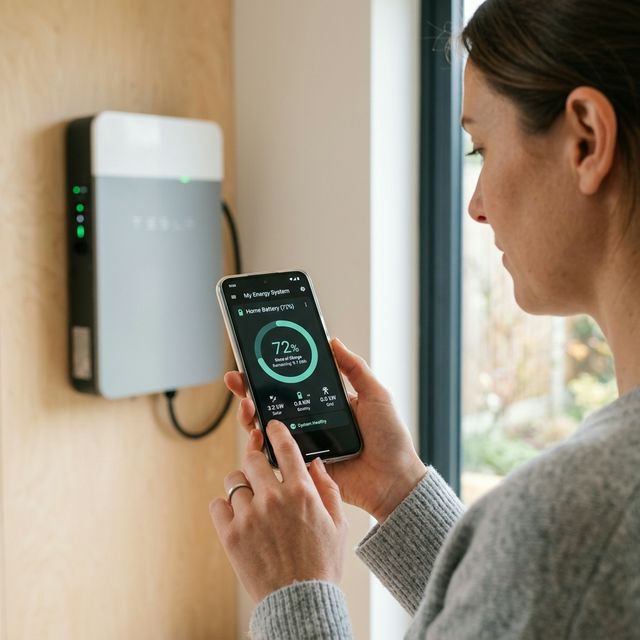
State of Charge — SoC — is simply how full your battery is, expressed as a percentage. 100% means fully charged. 0% means empty. Simple concept, but understanding it and monitoring it can meaningfully extend your battery's life and improve how much you save.
Why SoC Matters for Battery Health

Lithium batteries — the chemistry used in all home storage systems — don't like being kept at extremes. Staying at 100% for extended periods causes a form of stress called calendar aging. Regularly draining to 0% accelerates cycle degradation.
Most battery manufacturers recommend keeping SoC between 10% and 90% for day-to-day operation, reserving the full range for genuine backup needs. Many systems let you set a "reserve" — say, keep 20% in case of a grid outage — which also helps with battery health.
How Most Systems Handle This Automatically
The good news is that most modern battery systems manage SoC intelligently without much user input. Systems like the Tesla Powerwall, BYD Battery-Box, and Sungrow SBR all have built-in battery management systems (BMS) that prevent charging above safe levels and discharging below the minimum.
Your battery's app will show current SoC, recent history, and often a forecast based on weather and your usage patterns.
What to Watch For
Even with automatic management, it's worth checking your battery app regularly — especially in the first few months after installation. Look for:
- Pattern mismatches: Is the battery full by mid-morning every day? You might have more solar than you need, or a good candidate for a VPP.
- Not reaching full charge: Could indicate shading, panel underperformance, or a system issue worth investigating.
- Unusually fast drain: If the battery empties sooner than expected, check whether a high-draw appliance has changed your evening usage.
SoC and Time-of-Use Tariffs
If you're on a time-of-use tariff, SoC management becomes more interesting. Some systems can be set to charge from the grid during off-peak periods (cheap power) and discharge during peak periods (expensive power). This is called arbitrage, and it works best when you can predict your daily SoC curve.
Take Control of Your Battery's Performance
Understanding SoC is the first step to getting the most out of your battery. If you're still comparing systems, PowerSmarter can help you find the right battery for your home — with free, unbiased quotes from vetted installers.
Comments (0)
No comments yet. Be the first to share your thoughts!