
LFP vs NMC Home Batteries: Which Is Safer (and Better Value)?
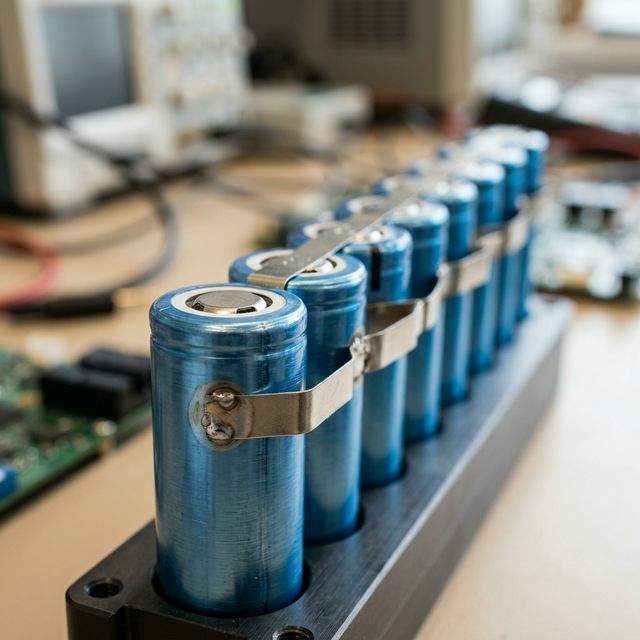
When you're comparing home batteries, you'll encounter two main lithium battery chemistries: LFP (lithium iron phosphate) and NMC (nickel manganese cobalt). Understanding the differences matters for both safety and long-term value.
The Short Answer
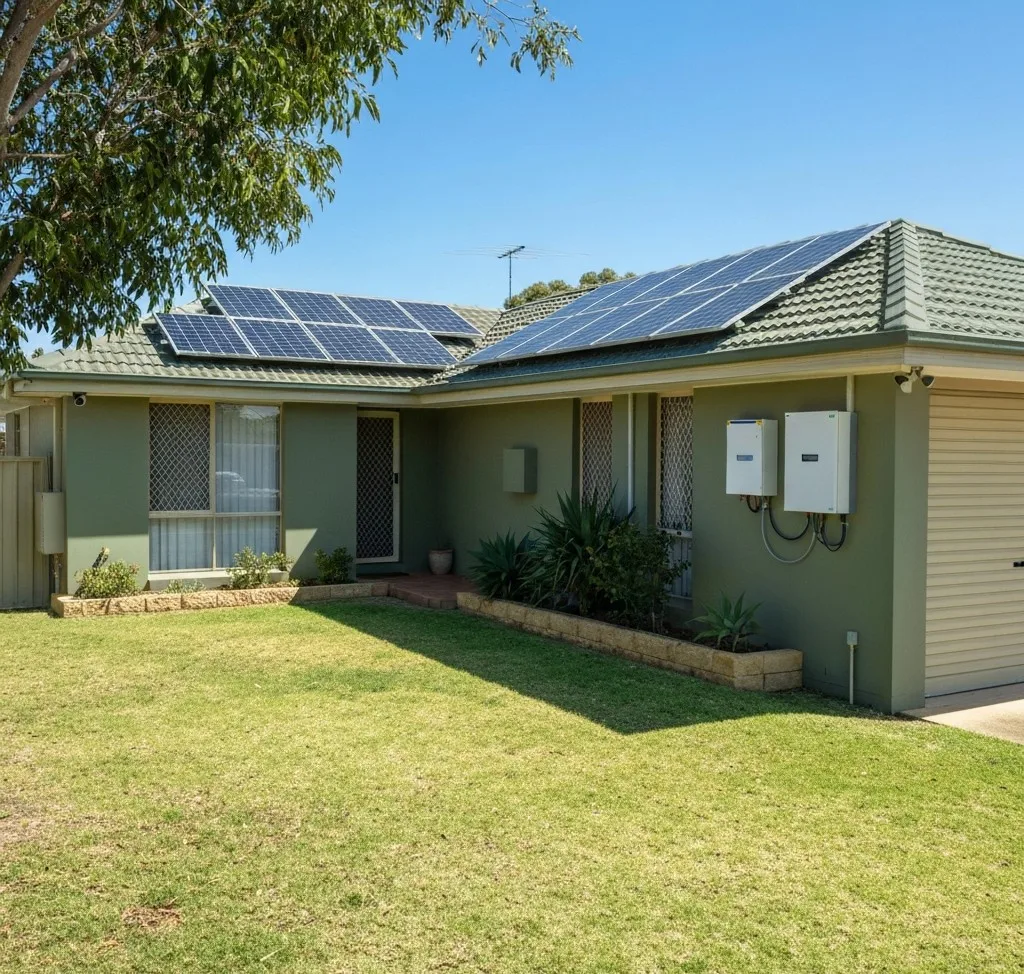
In 2025–26, essentially all quality home batteries sold in Australia use LFP chemistry. NMC has largely been displaced in the residential storage market. If you're comparing two modern batteries from reputable brands, both are almost certainly LFP. But understanding why LFP won the chemistry battle helps you evaluate any battery claim you encounter.
LFP (Lithium Iron Phosphate)
LFP uses iron and phosphate in the cathode, rather than the more expensive nickel, manganese, and cobalt used in NMC. The result:
Safety
LFP is significantly safer than NMC for thermal runaway risk. Thermal runaway is the chain reaction that causes lithium batteries to catch fire — it's what made early EV and phone battery incidents so dramatic. LFP's chemistry requires substantially more energy to initiate thermal runaway, making it far more tolerant of physical damage, overcharging, and high temperatures.
This is a material real-world advantage in Australia's climate, where batteries may be exposed to outdoor temperatures above 40°C in summer.
Cycle Life
LFP typically delivers 3,000–10,000 cycles at standard operating conditions. NMC home batteries from the 2015–2020 era often achieved 2,000–4,000 cycles. For a residential installation expected to last 15+ years, LFP's cycle life is a genuine practical advantage.
Energy Density
NMC stores more energy per kilogram — this is why early EV makers preferred it (range per kg matters in cars). For a stationary home battery, weight and space are less critical, and the energy density advantage of NMC provides little real benefit. LFP's larger physical footprint per kWh is a non-issue when the battery is mounted on your garage wall.
Temperature Tolerance
LFP performs better at high temperatures. NMC degrades faster in heat — a meaningful consideration for Australian homes in QLD, SA, WA, and northern NSW where summer can be brutal.
Cost
LFP is now cheaper than NMC, both because iron and phosphate are more abundant than nickel, manganese, and cobalt, and because LFP manufacturing scale has increased dramatically (driven largely by Chinese battery manufacturers). This cost advantage has accelerated LFP's market dominance.
NMC (Nickel Manganese Cobalt)
NMC dominated the early home battery market (early LG RESU models used NMC, for example). It has higher energy density and was the preferred chemistry for portable applications. For home storage in 2026, NMC has limited advantages over LFP.
You may encounter NMC in:
- Older battery models still in the market (some early LG RESU models)
- Some EV battery packs being offered as home storage (sometimes sold as repurposed EV batteries)
- Certain commercial or UPS applications
For new residential installations in Australia, NMC is largely irrelevant — the market has moved to LFP.
What About Other Chemistries?
NMC 811 / High-Nickel NMC
A variant with higher nickel content, better energy density, but higher thermal runaway risk. More relevant for EVs than home storage. Not a significant consideration in Australian residential battery market currently.
LMFP (Lithium Manganese Iron Phosphate)
An emerging chemistry being adopted by some manufacturers (BYD's "Blade" battery is a variant) with slightly higher energy density than standard LFP while retaining LFP's safety profile. This is the direction LFP chemistry is evolving, not a separate category.
What Brands Use LFP?
In 2025–26, all major home battery brands sold in Australia use LFP:
- Tesla Powerwall 3: LFP
- BYD Battery-Box: LFP (Blade technology)
- Sungrow SBR: LFP
- Alpha ESS: LFP
- sonnenBatterie: LFP
- Enphase IQ Battery: LFP
- Redback: LFP
The Takeaway for Buyers
If you're comparing modern, quality home batteries in 2026, the chemistry is almost certainly LFP across the board — you don't need to make a choice. But it's worth confirming for any less-mainstream product, and worth understanding so you can evaluate marketing claims. "Advanced lithium technology" without specifying LFP or NMC deserves clarification.
Comments (0)
No comments yet. Be the first to share your thoughts!