
How Many Solar Panels Do You Need to Charge a Home Battery?
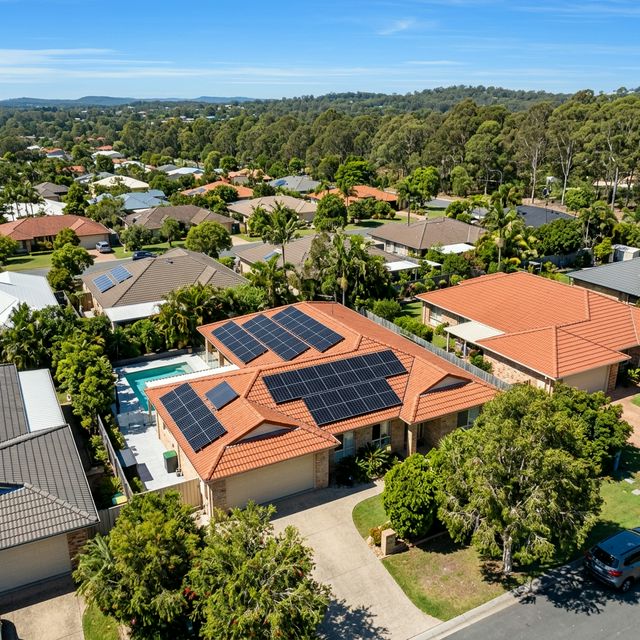
One of the most common questions when planning a battery installation is: does my existing solar system generate enough to make a battery worthwhile? Or if you're designing from scratch: how big should the solar array be to reliably charge a battery?
The answer isn't one-size-fits-all, but there's a clear framework for working it out.
The Core Principle: Surplus Solar
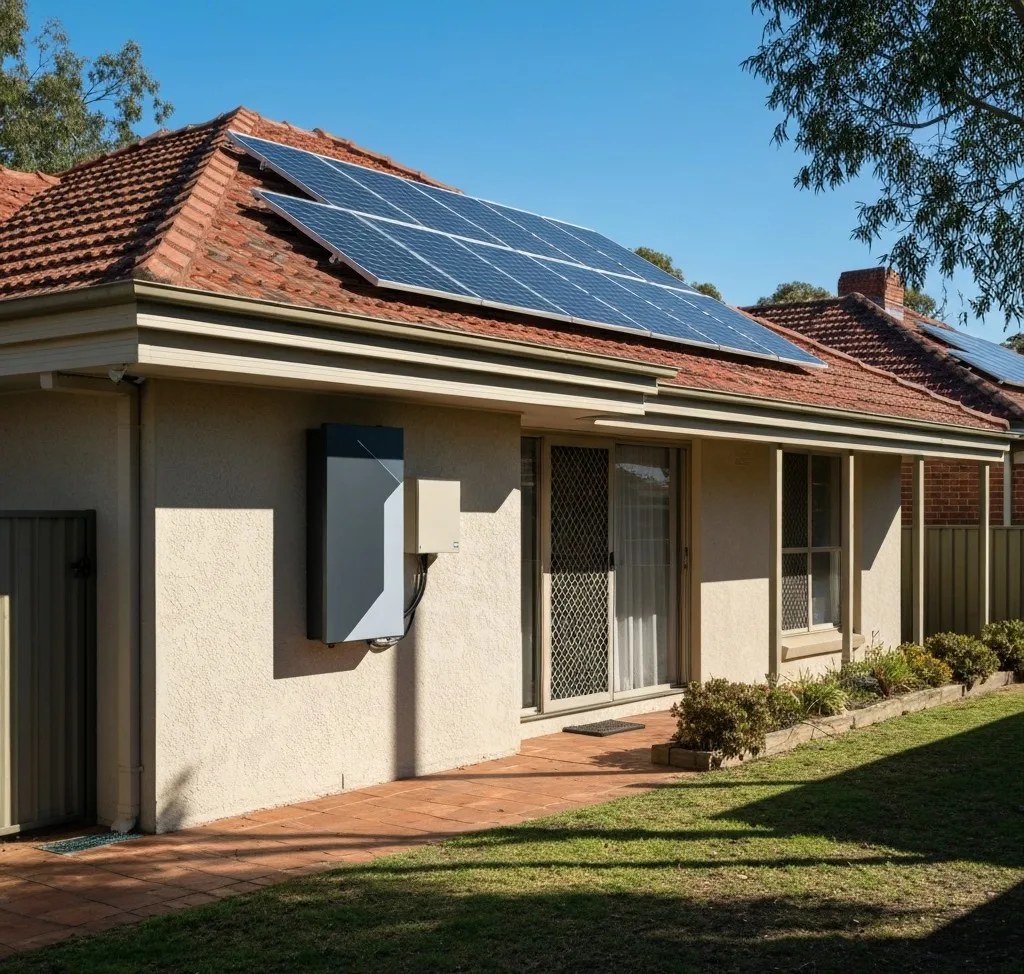
A battery earns money by storing solar energy you would otherwise export (or waste). So the question isn't really about how many panels you need to generate power — it's about how many you need to generate surplus power beyond what you use during daylight hours.
If your household consumes 10 kWh during daylight hours, and your 6.6 kW system generates 25 kWh on a good day, you have 15 kWh of surplus. That's more than enough to fill most 10–13 kWh batteries.
If your household consumes 20 kWh during daylight hours (you're home all day, running AC), your surplus drops to 5 kWh. That won't reliably fill a 10 kWh battery.
A Practical Sizing Guide
For a 5–7 kWh Battery
A 3 kW solar system (roughly 8–10 panels) can often generate enough surplus to fill a small battery in summer, but will struggle in winter. Better minimum: 5 kW (13–15 panels).
For a 10 kWh Battery
The sweet spot is a 6.6 kW system (16–18 panels). This is the most common system size in Australia for good reason — it matches the single-phase inverter limit and generates enough surplus to fill a 10 kWh battery reliably on most days, including cloudy ones. A 5 kW system will work but may not fill the battery every day in winter.
For a 13.5 kWh Battery (e.g., Powerwall 3)
You ideally want at least 8–10 kW of solar (20–25 panels) to reliably fill the battery, especially in shorter winter days. A 6.6 kW system will fill a Powerwall 3 on most summer days but may struggle in winter months if you use a lot of daytime power.
For a 20 kWh+ Battery
Go big on solar. A 10–13 kW system (if your roof allows three-phase or a larger inverter) is appropriate. Anything less and you'll often start the evening with a half-charged battery.
Factors That Affect Solar Output
Roof Orientation and Tilt
A north-facing roof at 20–30 degrees gives maximum output in Australia. East/west-facing panels produce 15–20% less annually. South-facing panels are generally not worth installing. If your best roof space isn't north-facing, you may need more panels to compensate.
Shading
Even partial shading — a chimney, a tree, a neighbouring building — can significantly reduce output. Shading that affects just a few panels can impact the whole string with traditional inverters (though microinverters or optimisers can mitigate this). Get a proper shade assessment if your roof has any obstructions.
State and Season
A 6.6 kW system in Queensland generates meaningfully more annual energy than the same system in Melbourne. State-based generation estimates:
- QLD (Brisbane): ~28 kWh/day in summer, 20 kWh/day in winter
- NSW (Sydney): ~25 kWh/day in summer, 17 kWh/day in winter
- VIC (Melbourne): ~22 kWh/day in summer, 12 kWh/day in winter
- SA (Adelaide): ~27 kWh/day in summer, 17 kWh/day in winter
Coupling Type Matters for Sizing
DC-coupled batteries (like Sungrow SBR with a Sungrow hybrid inverter) are slightly more efficient than AC-coupled batteries. This means they waste a bit less energy in the charge/discharge cycle, which is a minor but real factor in sizing. Your installer should account for this.
The Right Way to Size Your System
Don't size based on rules of thumb alone. The right sizing uses:
- Your 12-month electricity consumption data (from your retailer)
- Your current solar generation data (from your inverter app or retailer)
- Your daytime vs overnight consumption split
- Your roof space and orientation
Any installer worth dealing with will use these inputs to give you a proper simulation, not a guess. If you're getting quotes through PowerSmarter, this analysis is part of what our vetted installers provide — not a generic estimate.
The Short Answer
For a typical Australian household with a 10 kWh battery: aim for at least 6.6 kW of solar (preferably more). For a 13.5 kWh Powerwall 3: aim for 8–10 kW. Less than this and you'll often have an under-charged battery heading into the evening, which defeats much of the purpose.
Comments (0)
No comments yet. Be the first to share your thoughts!