
Enphase vs Tesla: Complete Solar + Battery System Comparison
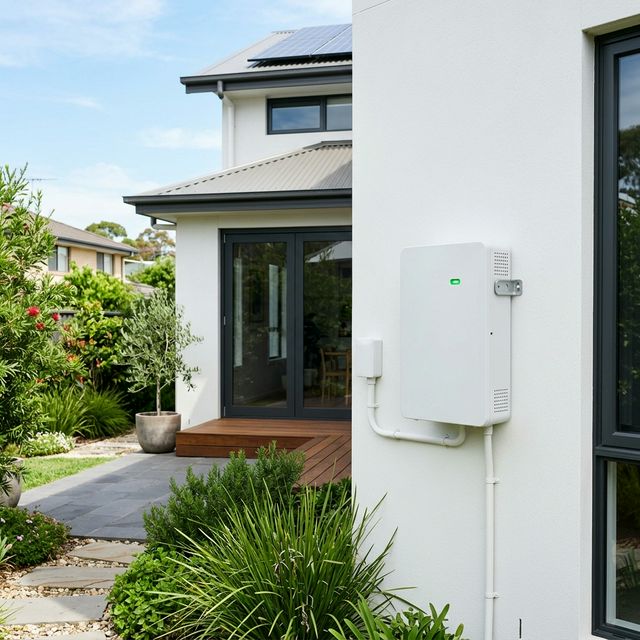
Enphase and Tesla represent two very different philosophies for residential solar + battery systems. Both are premium products from major companies with genuine Australian presence — but the architectures, strengths, and target buyers are quite different.
The Systems: What You're Actually Comparing
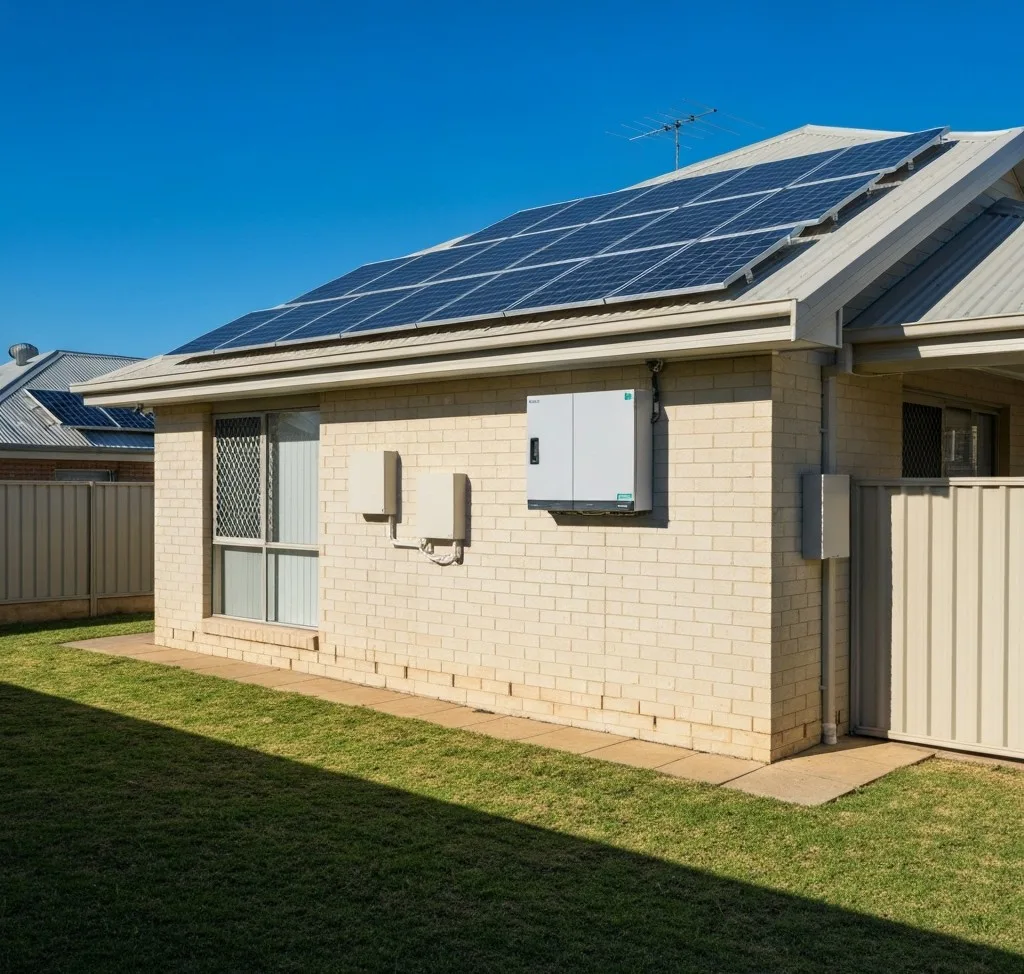
Enphase System
Enphase's system centres on microinverters — small DC-to-AC converters attached to each individual solar panel. Combined with the Enphase IQ Battery (5P or 3T), you get an all-AC system where every component communicates through Enphase's Ensemble software.
- IQ8 Microinverters + IQ Battery 5P (5 kWh per unit, stackable to 40 kWh)
- Or IQ8 + IQ Battery 3T (10.08 kWh per unit)
- AC-coupled throughout
- Distributed architecture — no single point of failure
Tesla System
Tesla's system combines their solar (either panels or Solar Roof) with the Powerwall 3, which is an integrated inverter + battery unit. The Powerwall 3 handles both solar input and battery management in one box, using a single-unit DC-coupled or AC-coupled configuration.
- Tesla solar panels + Powerwall 3 (13.5 kWh, integrated inverter, 11.5 kW output)
- Or Powerwall 3 as a standalone AC-coupled battery retrofit
- Centralised architecture with excellent software integration
Reliability and Failure Modes
Enphase: Distributed Advantage
Enphase's microinverter system doesn't have a single point of failure. If one panel's microinverter fails, only that panel goes down — the rest of the system continues working. This is a genuine reliability advantage over string inverter systems where a single inverter failure takes the whole array offline.
Tesla: Integrated Simplicity
The Powerwall 3 is a single integrated unit. If the inverter component fails, the system is offline until repair. However, Tesla's build quality and warranty support minimise this risk. The integrated design also reduces the total component count and potential failure points in the balance-of-system.
Performance in Partial Shade
Enphase microinverters significantly outperform string inverters in shaded conditions. Each panel operates independently, so a shaded panel doesn't drag down the output of unshaded panels. If your roof has any shade (trees, chimneys, neighbouring buildings), Enphase is a genuine advantage.
Tesla's Powerwall 3 operates with whatever solar inverter it's connected to. If the solar is a Tesla string-type inverter, shade performance is standard. If it's AC-coupled to another system with optimisers or microinverters, shade performance depends on that system's design.
Capacity and Scalability
- Enphase IQ Battery 5P: 5 kWh per unit, up to 40 kWh per system (8 units)
- Enphase IQ Battery 3T: 10.08 kWh per unit, stackable
- Powerwall 3: 13.5 kWh per unit, up to 3 units (40.5 kWh)
Enphase allows finer-grained capacity planning (5 kWh increments). Powerwall 3 jumps to 13.5 kWh for the first unit — which may be oversized for some households.
Power Output
- Powerwall 3: 11.5 kW continuous — excellent for high-load whole-home backup
- Enphase IQ Battery 5P: 3.84 kW per unit — multiple units needed for high-load applications
- Enphase IQ Battery 3T: 3.84 kW per unit
For whole-home backup with high loads (ducted AC, EV charger), the Powerwall 3 is more capable from a single unit. Enphase requires stacking multiple batteries to match this output.
Software and Monitoring
Both companies offer genuinely good apps, but with different focuses:
- Tesla app: Clean, consumer-focused. Storm Watch, VPP enrolment, real-time power flow, remote control.
- Enphase app: More granular panel-level data, more useful for troubleshooting, arguably more transparent about what each component is doing.
Price Comparison
Installed, post-CHBP, in March 2026:
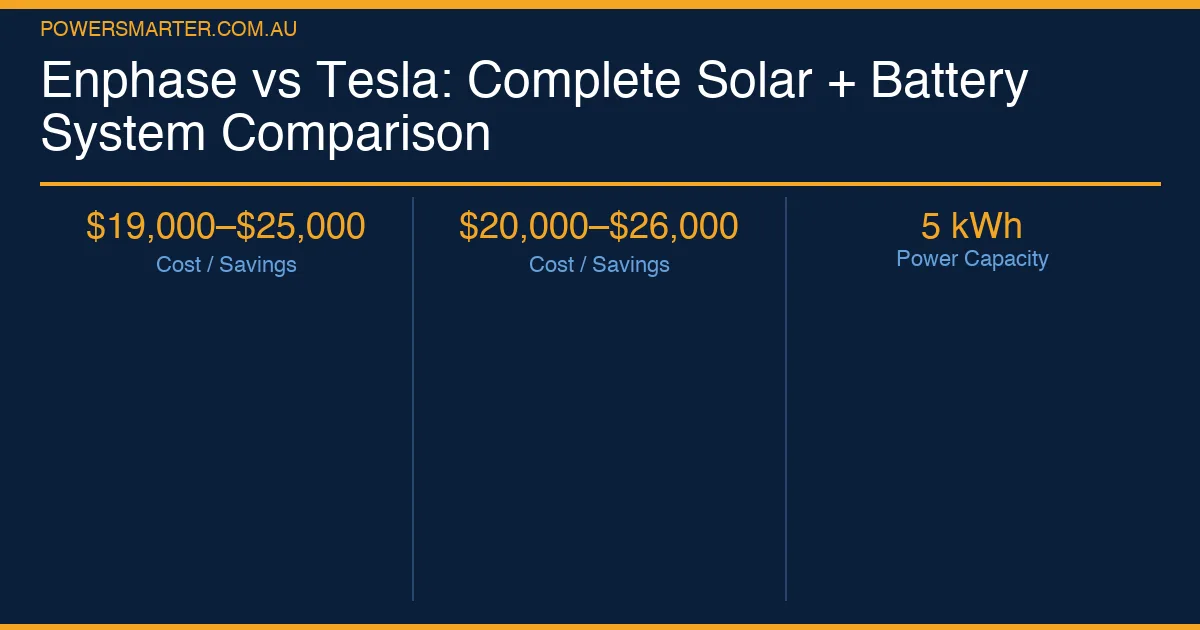
- Tesla solar (6.6 kW) + Powerwall 3: approximately $19,000–$25,000
- Enphase solar (6.6 kW, IQ8 microinverters) + IQ Battery 3T (10.08 kWh): approximately $20,000–$26,000
Enphase is typically slightly more expensive due to the microinverter premium. Both qualify for CHBP on the battery component.
Which Should You Choose?
| Scenario | Better Choice |
|---|---|
| Shaded roof | Enphase (microinverters handle shade better) |
| High backup power needs | Tesla Powerwall 3 |
| Want fine-grained panel monitoring | Enphase |
| Tesla EV owner | Tesla (ecosystem integration) |
| Starting with small battery, plan to expand | Enphase (5 kWh increments) |
| Unshaded roof, maximum simplicity | Tesla (single integrated unit) |
Comments (0)
No comments yet. Be the first to share your thoughts!