
Electricity Bill Optimisation 101: TOU, Solar, Battery, VPP (Australian Households)
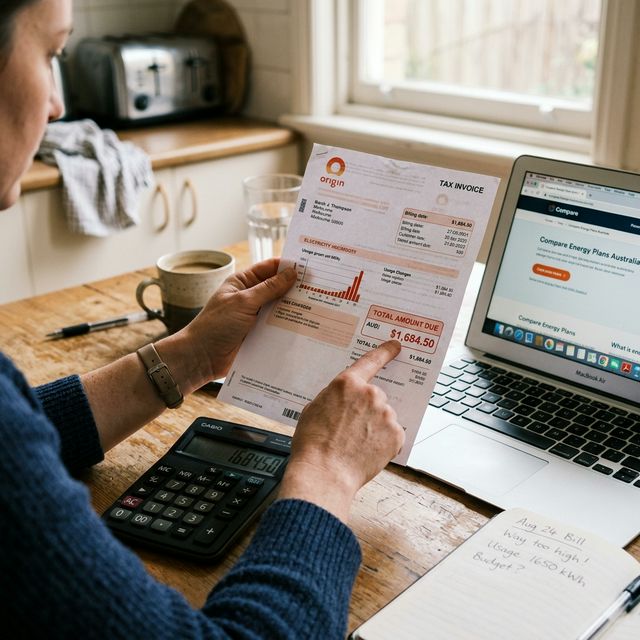
Your electricity bill is a product of four things: how much electricity you use, when you use it, what you're charged per kWh at each time, and what you receive for any generation you export. Optimising all four — rather than just trying to use less power — is where the big savings come from.
The Four Levers
Lever 1: Reduce Overall Consumption
This is the baseline and the most universally applicable lever. Key actions with the highest ROI:
- LED lighting: Replacing all incandescent and halogen bulbs. Saves $100–$300/year. Payback: months.
- Fridge efficiency: An ageing fridge (10+ years) can use 800–1,500 kWh/year. A modern Energy Star fridge: 200–400 kWh. Replacement often pays back in 3–5 years in electricity alone.
- Hot water: Switching to heat pump hot water reduces hot water energy by 66%. The single biggest consumption reduction available for most households.
- Space conditioning: Insulation, ceiling fans, and reverse-cycle AC (replacing gas or electric resistance heating) all reduce consumption for the same comfort outcome.
Lever 2: Shift When You Use Electricity
Moving consumption from expensive peak hours to cheap off-peak or solar hours can reduce bills without reducing comfort. This is load shifting, and it works even without a battery:
- Run dishwasher, washing machine, and clothes dryer during solar hours (10am–3pm) or overnight off-peak (11pm–7am)
- Set heat pump hot water to heat during solar hours
- Schedule pool pump for solar hours
- EV: schedule to charge overnight off-peak or during solar hours with solar diversion mode
For a household on a TOU tariff where peak power costs 45 cents and off-peak costs 18 cents, shifting 5 kWh/day from peak to off-peak saves $49.30/month = $591/year. No hardware required beyond a basic smart plug or timer.
Lever 3: Optimise Your Electricity Plan
The wrong plan can cost you hundreds of dollars per year. For solar + battery households:
- TOU plans are generally best — the peak/off-peak spread is where your battery earns
- FiT matters, but don't sacrifice a much better TOU structure for a marginally higher FiT
- VPP-enabled plans add income on top of savings
- Check your plan every 6–12 months — better offers emerge regularly
Switching plans costs nothing and can improve your net bill position by $300–$700/year for a solar + battery household.
Lever 4: Generate Your Own Electricity
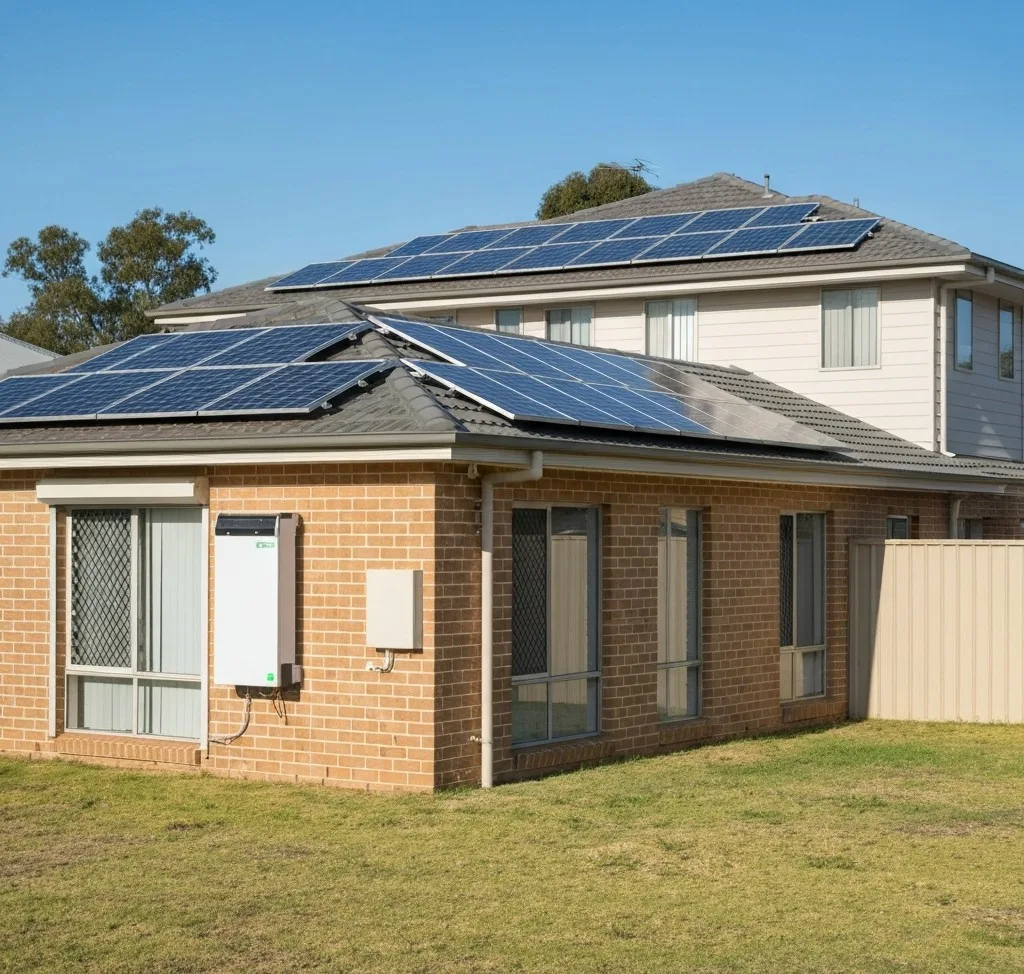
Solar generation reduces what you buy from the grid during daylight hours. Battery storage extends this into the evening. Together, they can cover 70–85% of a typical household's annual consumption.
The financial value of each kWh generated and self-consumed is your grid rate at that time — currently 28–45 cents/kWh in most Australian states. That's the savings rate per kWh of solar + battery self-consumption.
Bringing It All Together: The Optimised Household
A fully optimised Australian household in 2026 looks like this:
- Hardware: 10 kW solar, 13.5 kWh battery, heat pump hot water, reverse-cycle AC, smart EV charger
- Plan: TOU tariff with low off-peak rate and competitive FiT, enrolled in VPP
- Scheduling: Major loads (dishwasher, laundry, hot water, pool pump) scheduled for solar hours. EV charging on solar diversion + off-peak backup.
- Battery: Charges from solar, discharges in evening peak period. Grid charges only when solar insufficient.
- Monitoring: App monitoring reviewed quarterly; plan reviewed annually.
This household might have an original electricity bill of $3,000–$4,000/year. Post-optimisation, net electricity cost (including any VPP income): $400–$800/year. That's a transformation, not a marginal improvement.
The 80/20 for Households Without Solar Yet
If you don't have solar or batteries yet, the highest-impact low-cost actions are:
- Switch to a TOU plan and shift loads to off-peak hours
- Replace inefficient fridge, hot water heater
- LED lighting throughout
- Get solar quotes — the STC rebate means solar often pays back in 5–8 years even without batteries
These four steps alone can reduce bills by 20–40% before touching battery storage.
Comments (0)
No comments yet. Be the first to share your thoughts!