
What Is Depth of Discharge (DoD) and Why It Matters
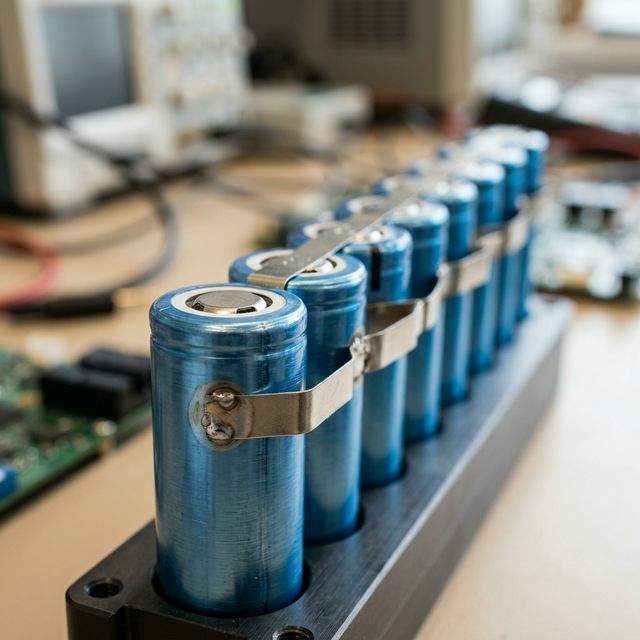
When comparing home batteries, you'll see two capacity numbers: nameplate capacity and usable capacity. The relationship between them is depth of discharge — one of the most important specs to understand before you buy.
What Is Depth of Discharge?
Depth of discharge (DoD) is the percentage of a battery's total capacity that you can actually use. A battery with a 10 kWh nameplate capacity and 90% DoD provides 9 kWh of usable energy. A battery with the same nameplate capacity but 80% DoD provides only 8 kWh.
The remaining capacity (the portion not discharged) acts as a buffer — it protects the battery from deep discharge events that accelerate degradation. Manufacturers set DoD limits based on their testing of optimal longevity vs usability trade-offs.
Why Does DoD Affect Real-World Value?
When you're comparing batteries and their costs, comparing nameplate capacity is misleading. A 10 kWh battery at 90% DoD delivers 9 kWh. A 12 kWh battery at 70% DoD delivers 8.4 kWh — and costs more for less usable output.
The only fair comparison is usable kWh — and the cost per usable kWh installed.
Example comparison:
- Battery A: 10 kWh nameplate, 90% DoD = 9 kWh usable. Installed cost $12,000. Cost per usable kWh: $1,333
- Battery B: 13 kWh nameplate, 80% DoD = 10.4 kWh usable. Installed cost $14,500. Cost per usable kWh: $1,394
Battery B looks larger and cheaper per nameplate kWh, but costs more per usable kWh when DoD is factored in.
DoD Specifications for Popular Australian Batteries
| Battery | Nameplate Capacity | DoD | Usable Capacity |
|---|---|---|---|
| Tesla Powerwall 3 | 13.5 kWh | 100% | 13.5 kWh |
| BYD Battery-Box HVM (11.04 kWh) | 11.04 kWh | 100% | 11.04 kWh |
| Sungrow SBR 9.6 | 9.6 kWh | 100% | 9.6 kWh |
| Enphase IQ Battery 5P | 5 kWh | 100% | 5 kWh |
| sonnenBatterie eco | Various | 100% | Stated usable |
Most modern LFP home batteries actually advertise 100% DoD — meaning the nameplate and usable figures are the same. This is because LFP chemistry handles deep cycling much better than older NMC batteries, and manufacturers are confident in their longevity at high DoD levels.
Older NMC batteries sometimes had DoD limits of 80–90%. If you're looking at older or less mainstream products, check this spec carefully.
DoD and Battery Longevity
There's a trade-off: deeper discharge gives you more usable energy per cycle, but it also slightly accelerates degradation. Battery management systems (BMS) are designed to navigate this trade-off optimally for each chemistry.
For LFP batteries (which dominate the 2026 Australian market), operating at 100% DoD is generally considered safe within the battery's design parameters. The cycle life ratings on these batteries assume full discharge cycles.
If you want to maximise longevity at the cost of some usable capacity, you can configure many batteries to discharge to only 20% state of charge rather than 0%. This essentially reduces your effective DoD to 80% but may marginally extend battery life. In practice, most homeowners accept the default DoD settings.
How to Use This When Comparing Quotes
- Always ask installers to specify usable capacity, not just nameplate
- Calculate cost per usable kWh for each quote (installed price ÷ usable kWh)
- Factor usable capacity into your payback calculations, not nameplate
- For CHBP rebate calculations: the $372/kWh is based on installed capacity (which may match nameplate in most modern batteries)
Don't let a large nameplate number fool you into thinking you're getting more storage than you actually are. Usable kWh is the number that matters for your daily self-consumption and savings.
Comments (0)
No comments yet. Be the first to share your thoughts!