
Cold Weather vs Batteries: Does Winter Matter in Australia?
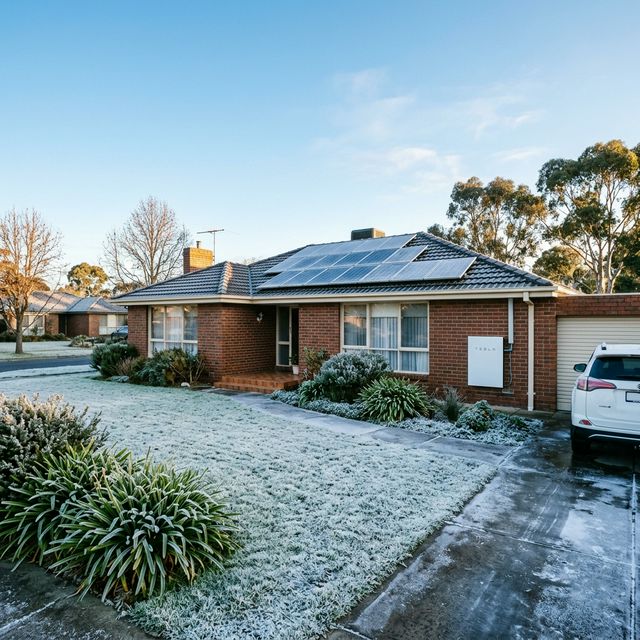
If you're reading this in July, wrapped in a blanket and wondering whether your battery is suffering as much as you are — the short answer is: probably not much. Australia's winters are mild compared to most of the world, and modern home batteries are designed to handle them.
But the longer answer is more nuanced. Here's what actually happens to batteries in cold weather, and what it means for Australian homeowners.
How Cold Affects Battery Chemistry
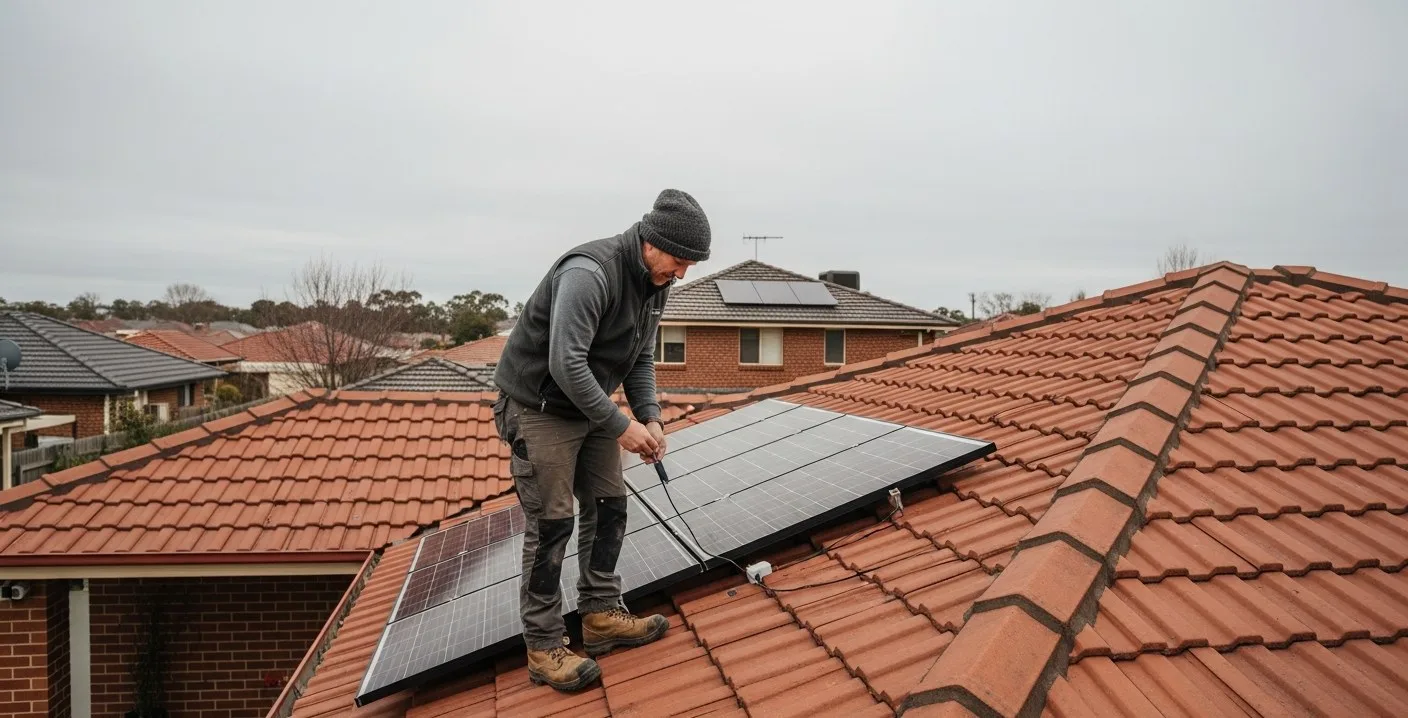
All lithium batteries slow down in cold temperatures. The chemical reactions that store and release energy are less efficient when the electrolyte gets cold. This shows up as reduced capacity — your battery may not hold quite as much energy, and it may charge more slowly.
The two main battery chemistries behave differently:
- LFP (Lithium Iron Phosphate) — used in BYD, Sungrow, and most modern home batteries — is quite stable in cold. Performance is largely unaffected until temperatures drop below about 0°C.
- NMC (Nickel Manganese Cobalt) — older chemistry, still found in some systems — can show a 10–15% capacity reduction in cold conditions.
What Temperatures Does Australia Actually Get?
Most Australians live in cities where winter overnight lows rarely drop below 5°C. Melbourne averages around 6–7°C overnight in July. Sydney rarely drops below 8°C. Canberra is the outlier — regular overnight frosts are common — but even then, batteries installed in a garage or sheltered wall mount are largely protected.
Rural and alpine areas are different. If you're in the Snowy Mountains or high-country Victoria, temperatures regularly hit -5°C or lower. Here, cold-weather battery placement genuinely matters.
Where You Install Your Battery Matters
A battery mounted on an exposed south-facing wall in Canberra will experience very different temperatures than one installed inside a garage. If you're in a cold climate zone, ask your installer about:
- Indoor or garage placement
- Insulated enclosures
- Battery models with built-in thermal management (most modern units have this)
Solar Generation in Winter
The bigger issue in winter isn't battery performance — it's reduced solar generation. Shorter days, lower sun angles, and more cloudy days mean your panels produce less. This means your battery may not fully charge every day, which affects how much you can draw in the evening.
Good installers will size your system accounting for winter generation, not just the annual average.
Bottom Line
For most Australian homeowners, cold weather has minimal impact on battery performance. If you're in a genuinely cold area, discuss placement with your installer. Either way, don't let winter concerns put you off — the bigger factors in your battery's value are your electricity rates, solar output, and usage patterns.
Ready to find out if a battery makes sense for your home? Get free quotes from vetted installers on PowerSmarter — we'll match you with someone who knows your local conditions.
Comments (0)
No comments yet. Be the first to share your thoughts!