
BYD Battery-Box Premium Review: Australia's Best-Value Battery?
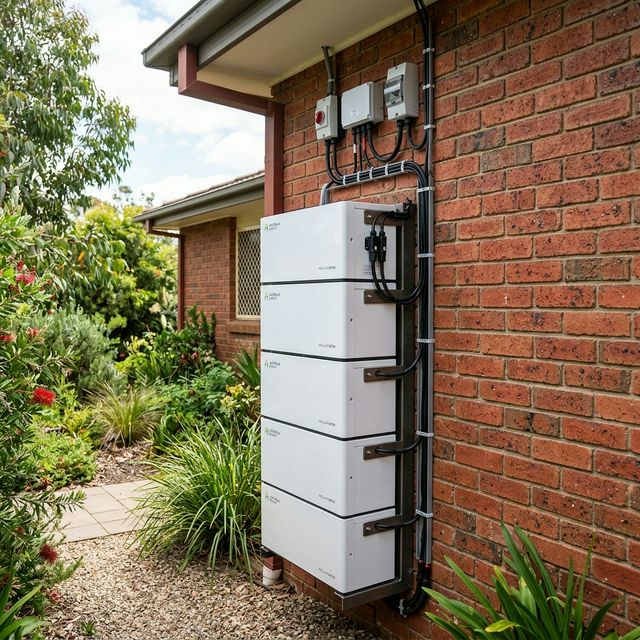
BYD is the world's largest battery manufacturer and a major electric vehicle brand — and in Australia, its Battery-Box Premium series has become the most installed home battery brand for good reason: excellent value per kWh, broad inverter compatibility, and solid reliability for a well-priced product.
Here's the detailed review — including the limitations that most BYD promotional content glosses over.
The BYD Battery-Box Premium Range
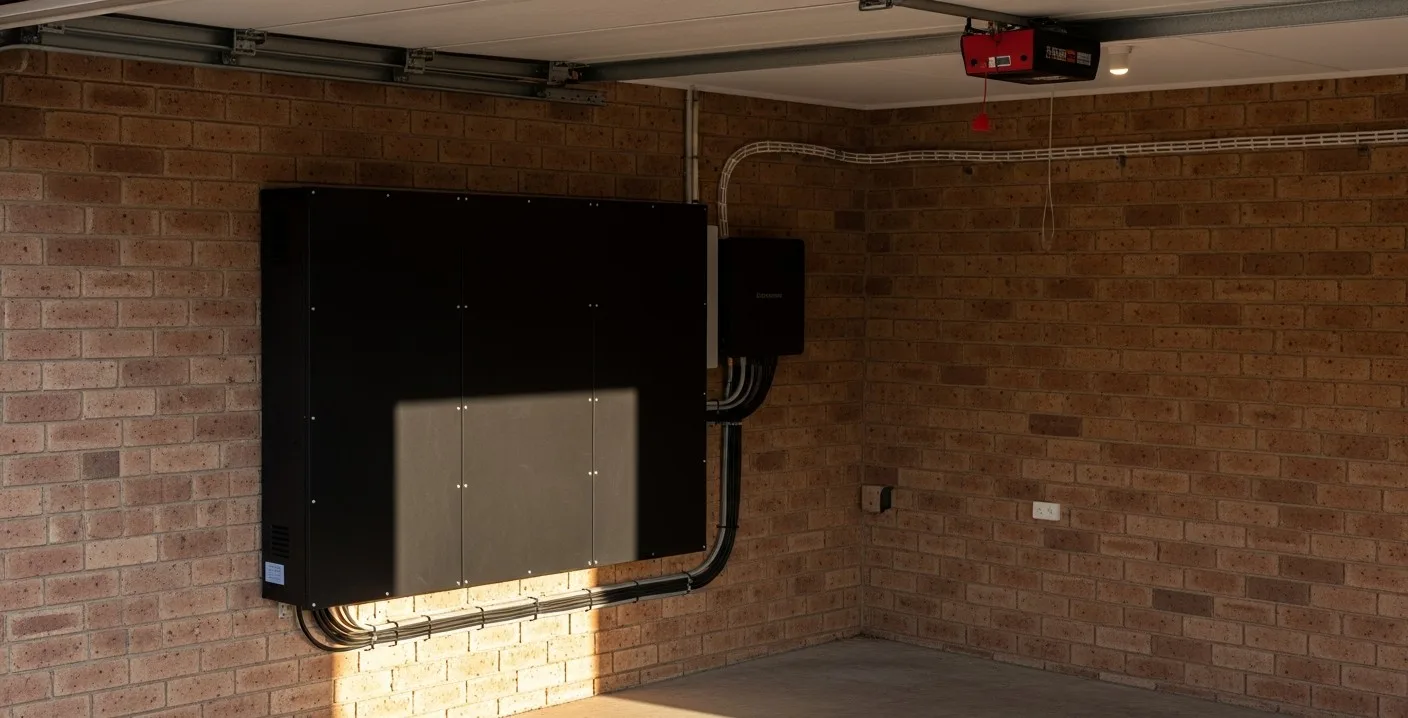
BYD offers two main residential product lines in Australia:
Battery-Box Premium HVS (High Voltage Series)
The HVS is BYD's flagship residential product — high voltage design (200–800V operating range) that pairs with high-voltage compatible hybrid inverters (Fronius, SolarEdge, SMA, Sungrow HV-compatible).
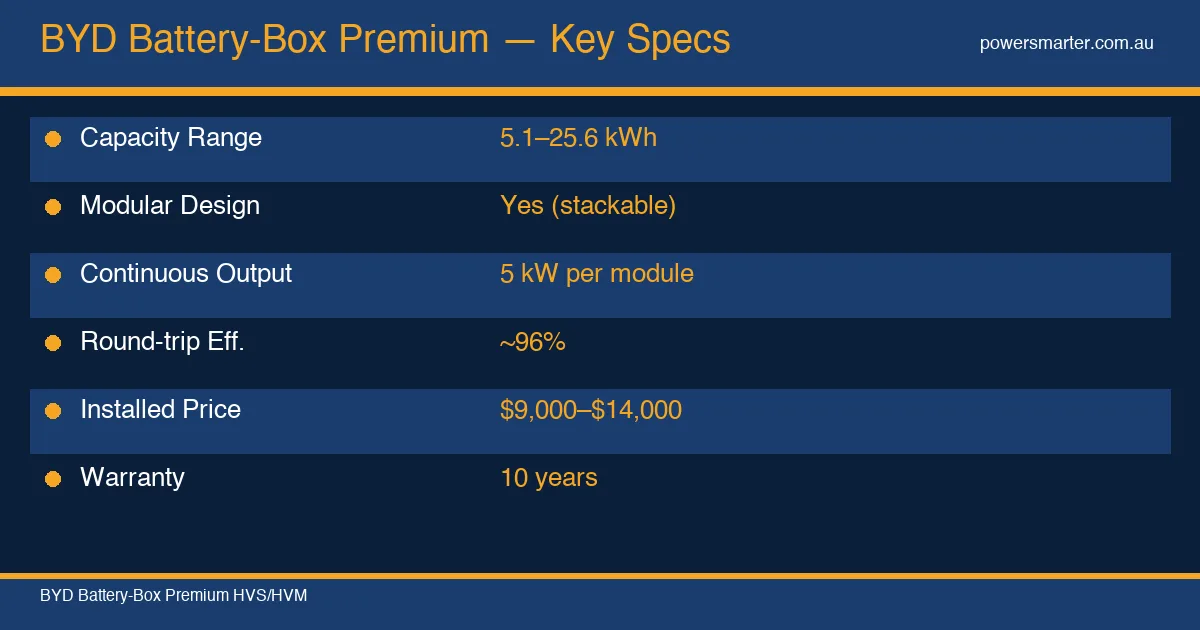
- Capacity options: 5.1kWh, 7.7kWh, 10.2kWh, 12.8kWh, 15.4kWh (modular, 2.56kWh per module)
- Chemistry: LFP (lithium iron phosphate)
- Warranty: 10 years, 60% capacity retention guarantee
- Continuous power: Up to 7.68kW (inverter dependent)
- Operating temperature: -10°C to 50°C
Battery-Box Premium HVM (High Voltage Mid-Range)
The HVM operates in a similar HV range but with slightly different module sizing (2.76kWh per module), available in 8.28kWh to 22.08kWh configurations.
What Makes BYD the Value Leader
Cost Per kWh After CHBP
BYD HVS 10.2kWh installed in Australia:
- Gross installed cost: $9,500–$12,000
- CHBP rebate (10.2 × $372): -$3,794
- Net installed cost: $5,706–$8,206
- Cost per usable kWh: $559–$804/kWh
Compare to Tesla Powerwall 3 post-CHBP: $670–$890/kWh. BYD consistently delivers more kWh per dollar spent.
Modular Expansion
BYD's modular design (2.56kWh modules) means you can start at 5.1kWh and expand by 2.56kWh at a time — up to 15.4kWh on most compatible inverters. This is genuinely useful for households uncertain about the right size, or planning staged investment.
Inverter Compatibility
BYD HVS is compatible with most major hybrid inverters available in Australia:
- Fronius Symo GEN24 / Primo GEN24
- SolarEdge Energy Hub
- SMA Sunny Tripower Smart Energy
- Sungrow SH-series (select models)
- GoodWe hybrid inverters
- KACO blueplanet hybrid.10 TL3
This broad compatibility means you're not locked into a specific inverter brand — and it gives you more installer choice, which is important for competitive quoting.
Real-World Performance
BYD has a substantial installed base in Australia, and feedback from installers and households with 2–4 years of operating history is generally positive:
- Reliability: Solid — warranty claim rates are not elevated. LFP chemistry contributes to stability and safety.
- Performance in Australian heat: The 50°C operating limit is sufficient for most Australian locations, though very hot locations (north QLD, parts of WA/NT) should ensure the battery isn't installed in unventilated spaces.
- Degradation: Consistent with LFP expectations — real-world data from early Australian installations shows degradation of 5–10% over 3–4 years, better than the 40% warranty floor over 10 years.
- Monitoring: Done through the paired inverter's app (Fronius Solar.web, SolarEdge Home, SMA Sunny Portal). Quality varies by inverter brand — Fronius and SolarEdge monitoring are excellent; the BYD native app is functional but secondary.
The Limitations
Backup Power Is Inverter-Limited
BYD HVS doesn't have its own inverter — it relies on the paired hybrid inverter for all power conversion, including backup. This means backup output is determined by the inverter, not the battery. Fronius GEN24 provides 7.2kW backup; SolarEdge provides 5kW. That's adequate for essential loads but not whole-home coverage.
For whole-home backup capability (11.5kW continuous), Tesla Powerwall 3 is significantly ahead.
Capacity Warranty Is 60%
BYD warrants 60% capacity retention at 10 years — lower than Tesla's 70%. In practice, LFP chemistry typically retains 75–85% after 10 years, so the warranty floor is conservative. But if you're comparing warranty terms on paper, Tesla's written guarantee is stronger.
No Native Battery Inverter for AC-Coupled Retrofit
BYD HVS is a high-voltage battery designed for DC coupling with compatible hybrid inverters. It's not designed for AC-coupled retrofit to standard string inverters — for that use case, you'd need an AC-coupled battery like Tesla Powerwall or Alpha ESS B3 Plus. BYD's AC-coupled product (Battery-Box Premium LV) exists but is less common in the Australian market.
CHBP Eligibility
BYD Battery-Box Premium is on the CEC Approved Battery List — CHBP-eligible. All SAA-accredited installers can apply the CHBP rebate. The high Australian installer market presence means finding experienced BYD installers in most areas is straightforward.
Who Should Choose BYD?
Best suited to:
- Households with (or planning to install) compatible hybrid inverters — Fronius, SolarEdge, SMA, GoodWe
- New solar + battery installs where the inverter brand is being chosen alongside the battery
- Buyers prioritising value per kWh over backup power output
- Those wanting modular expansion — start smaller and add capacity later
Consider alternatives if:
- You need AC-coupled retrofit to an existing standard inverter
- Whole-home backup power output is a priority (Powerwall 3)
- You already have a Sungrow inverter (Sungrow SBR has natural integration advantage)
Verdict
BYD Battery-Box Premium HVS is our top recommendation for value in the Australian market. Broad inverter compatibility, proven reliability, competitive installed cost per kWh, and a modular design that accommodates staged investment. The backup power limitation is real but acceptable for most households. If you're doing a new solar + battery install with a Fronius, SolarEdge, or SMA inverter, BYD HVS is hard to beat.
Comments (0)
No comments yet. Be the first to share your thoughts!