
SA Home Battery Subsidy 2026: CHBP and VPP Opportunities Explained
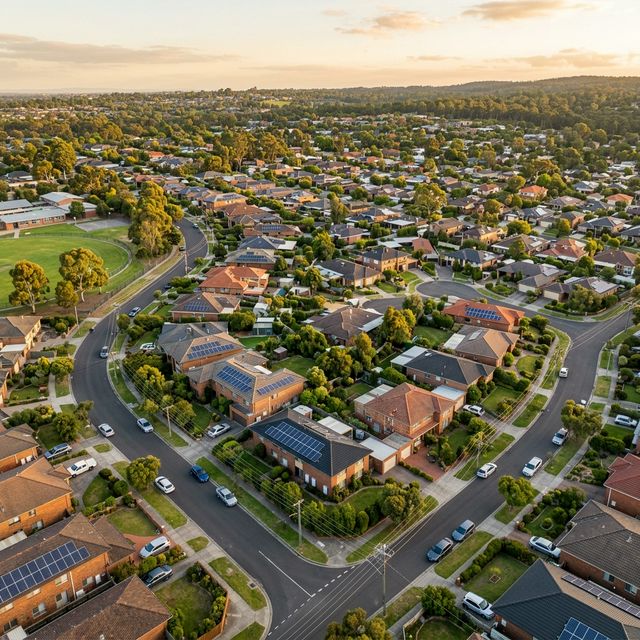
South Australia has more home batteries per capita than anywhere else in Australia — and for good reason. High electricity prices, abundant sunshine, a progressive grid, and active VPP programs make SA one of the best markets for home storage anywhere in the country.
In 2026, the federal CHBP has added another significant incentive. Here's how all the pieces fit together for SA households.
The Federal CHBP in South Australia
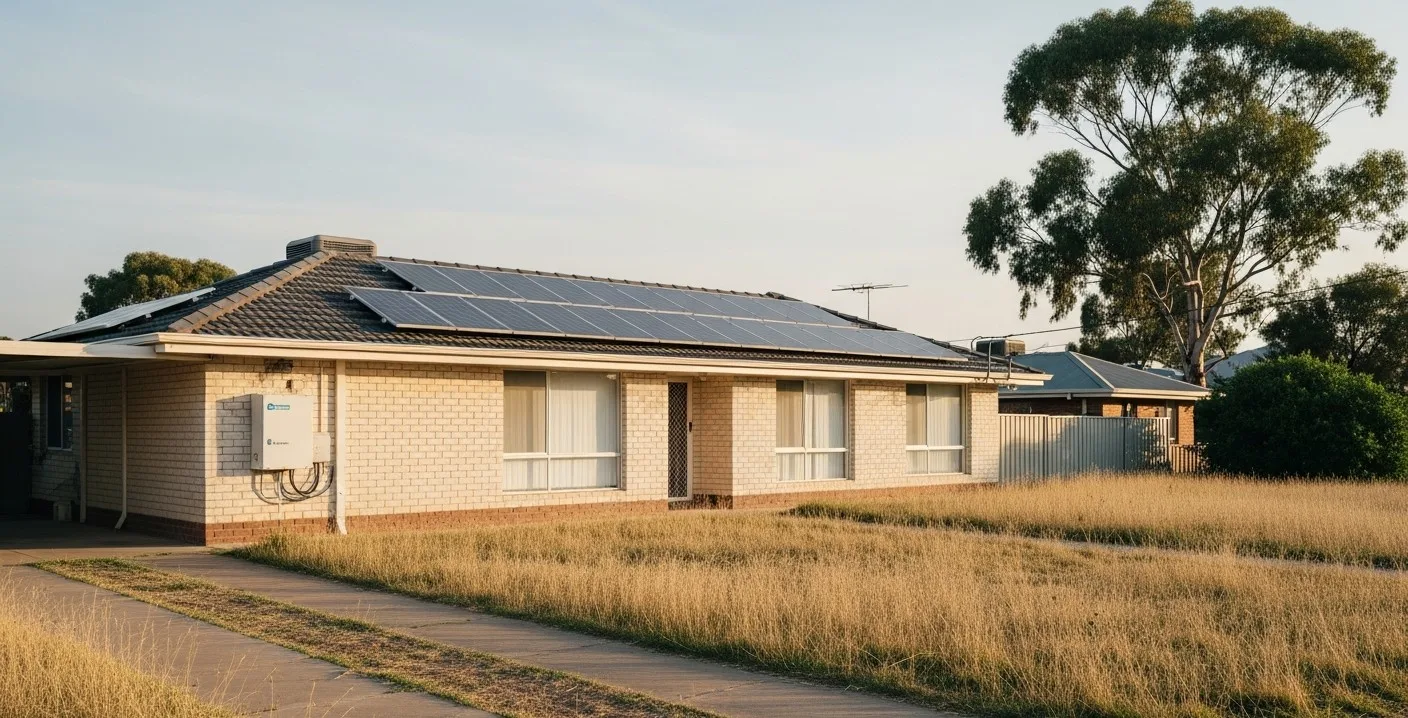
The Commonwealth Home Battery Program launched 1 July 2025 and is available to all South Australians — no income test, no SA-specific requirements beyond federal eligibility:
- No income limit — all SA residents can access this
- Rebate amount: $372/kWh of usable capacity, for the first 50kWh
- 10kWh battery: $3,720 rebate
- Must use an SAA-accredited installer and CEC-listed battery
- Applied as a point-of-sale discount through your installer
Does SA Have a State Battery Rebate?
South Australia's earlier Home Battery Scheme (HBS) — which provided up to $6,000 for batteries — concluded in 2021 after exhausting its budget. As of early 2026, there's no active SA state government cash rebate equivalent running concurrently with CHBP.
The SA Government has been more focused on grid infrastructure and VPP programs rather than direct household subsidies in recent years. The federal CHBP fills a significant portion of that gap.
For the most current SA incentive landscape, check the SA Government's Energy website — programs can be announced and updated.
Where SA Really Shines: VPP Programs
South Australia is the most active VPP market in Australia. Several programs operate in SA, allowing battery owners to earn revenue by contributing grid services during peak demand:
SA Power Networks VPP
SA Power Networks (the local electricity distributor) runs a VPP program that aggregates residential batteries to provide grid services. Participants can earn money when their battery is dispatched during peak events. The program has grown significantly as battery uptake has increased.
Tesla Energy Plan
Tesla Powerwall owners in SA can participate in the Tesla Energy Plan — a time-of-use electricity plan that includes VPP participation. Tesla manages the battery dispatch during high-demand periods and shares revenue with participants. Reported earnings have varied from $200–$600/year depending on dispatch frequency.
AGL Virtual Power Plant
AGL operates a VPP program available to customers with compatible batteries (multiple brands). Participants receive a bill credit in exchange for allowing AGL to access their battery during peak grid events.
sonnen Community Program
sonnen operates an energy-sharing community in SA — sonnen owners can participate in peer-to-peer energy trading and access sonnen's community tariff, which has historically offered attractive flat rates.
VPP Economics in SA: What You Actually Earn
VPP earnings in SA are real but variable. Households that participated through 2025 reported annual earnings of:
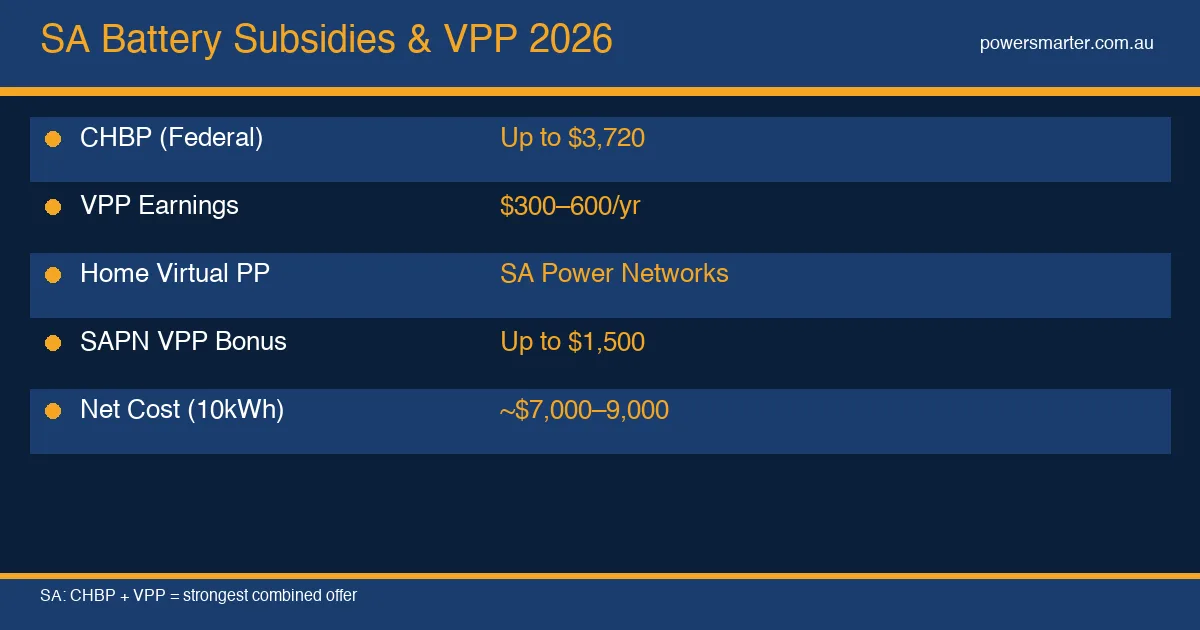
- Tesla Energy Plan: $200–$600/year depending on dispatch events
- AGL VPP: $150–$400/year in bill credits
- SA Power Networks VPP: Varies; typically $100–$300/year
VPP earnings should be treated as a bonus to your self-consumption savings, not the primary financial case. The core value is still from self-consuming your solar instead of paying retail rates. VPP income improves the payback by 1–2 years in favourable scenarios.
SA Electricity Prices: Why Batteries Work Well Here
SA consistently has among Australia's highest electricity retail prices — typically 32–42 cents/kWh for standard rates. Evening peak charges can reach 50 cents/kWh or more on TOU plans.
Feed-in tariffs in SA have dropped significantly: most SA retailers now offer 3–8 cents/kWh. The spread between retail rate and FiT — the core driver of battery economics — is massive in SA, making self-consumption through storage financially powerful.
A 10kWh battery cycling daily in SA could save:
- 10 kWh × $0.30 average spread × 365 days = $1,095/year at conservative estimates
- On TOU with evening peak at 45c and FiT at 5c: up to $1,460/year
What Net Costs Look Like in SA
For a typical SA household with CHBP only (no current state rebate):
| Gross installed price (10kWh quality battery) | $10,000–$13,000 |
| CHBP rebate (10 × $372) | -$3,720 |
| Net installed cost | ~$6,300–$9,300 |
At $1,100–$1,400/year savings (including VPP): payback of 5–8 years — reasonable for a 10-year warranty product, with functional life often extending to 15+ years.
Practical Steps for SA Homeowners
- Confirm SAA-accreditation — essential for CHBP. Every installer working in the SA battery market should have this.
- Ask about VPP programs — which programs your battery brand supports, and what the realistic annual earnings look like based on current dispatch history
- Compare TOU plans — SA has several retailers with TOU options; aligning your plan with battery dispatch timing is important
- Check CEC Approved Battery List — only batteries on the CEC list qualify for CHBP
- Act before June 30 — CHBP rates are reviewed periodically and expected to decline
The SA Outlook
South Australia has led the country in demonstrating that home batteries and a renewable grid can co-exist — and the economics are better in SA than almost anywhere else. High electricity prices, strong solar resource, active VPP ecosystem, and the federal CHBP rebate make 2026 a genuine inflection point for SA homeowners still sitting on the fence.
If you have solar and you're in SA, the question isn't really "should I consider a battery?" — it's "which battery and which program?"
Comments (0)
No comments yet. Be the first to share your thoughts!