
Heat Pump Hot Water with Solar and Battery: How Much Can You Save?
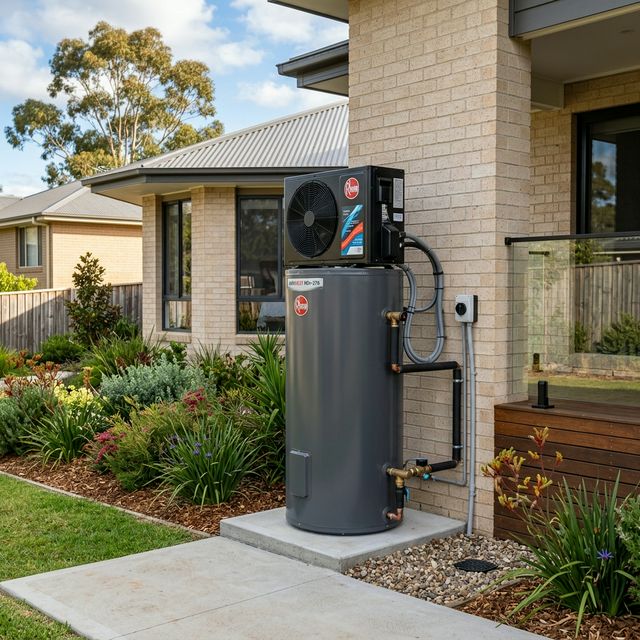
Hot water is typically the second or third largest energy expense in an Australian home after heating/cooling — often accounting for 20–30% of energy costs. For households still running gas hot water or old electric resistive systems, a heat pump hot water system (HPWS) combined with solar can deliver some of the fastest paybacks in home electrification.
Here's the savings model, honest and specific.
How Heat Pump Hot Water Works
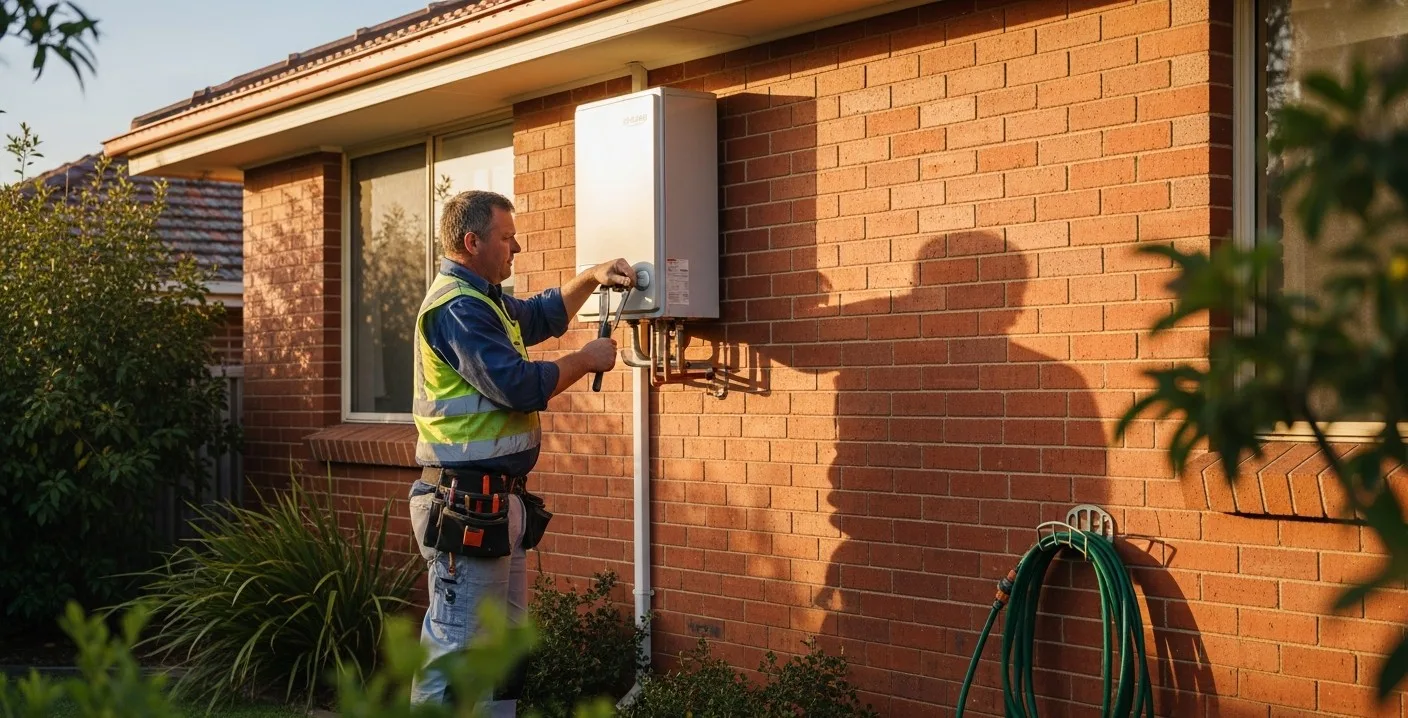
A heat pump hot water system works like a reverse refrigerator — it extracts heat from the ambient air and transfers it to the water in the tank, rather than generating heat directly through electrical resistance or gas combustion.
The key metric: Coefficient of Performance (COP). A COP of 3–4 means the heat pump produces 3–4 kWh of heat energy for every 1 kWh of electricity consumed. Compare this to:
- Electric resistive hot water (conventional electric storage): COP = 1 (1 kWh in, 1 kWh of heat)
- Gas hot water: Approximately 65–90% thermal efficiency
- Heat pump: COP = 3–4 (1 kWh in, 3–4 kWh of heat)
This efficiency difference is what makes heat pumps compelling.
The Hot Water Savings Calculation
Switching from Gas Hot Water to Heat Pump
A typical Australian household (3–4 people) uses approximately 150–200 litres of hot water per day.
Gas hot water cost:
- Gas consumption: approximately 5–8 MJ/day
- Annual gas cost for hot water: approximately $400–$700/year (varies by gas tariff and location)
Heat pump hot water cost:
- Electricity consumption: approximately 1.5–3 kWh/day (COP of 3–4)
- Annual electricity cost (at 33c/kWh): approximately $180–$360/year
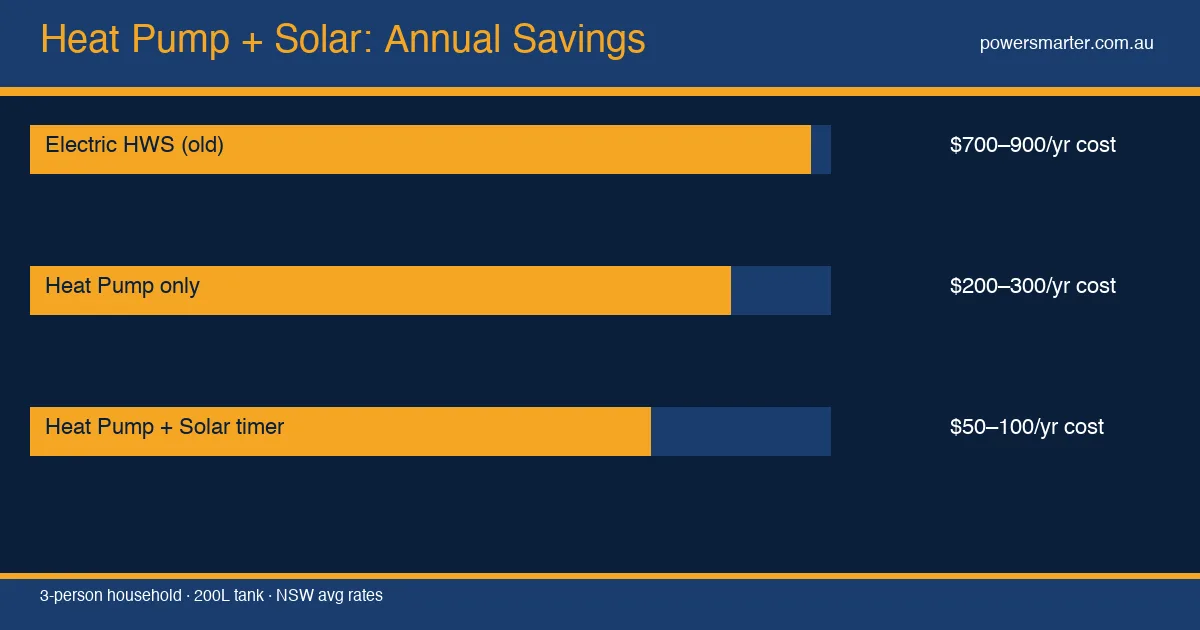
- With solar (free daytime electricity): approximately $0–$90/year if timed correctly
Annual savings switching from gas to heat pump: $310–$700/year in energy costs.
Switching from Resistive Electric to Heat Pump
Electric resistive hot water cost:
- Electricity consumption: approximately 5–8 kWh/day (COP = 1)
- Annual electricity cost (at 33c/kWh): approximately $600–$960/year
Heat pump hot water cost:
- Annual electricity cost (at 33c/kWh): approximately $180–$360/year
- With solar timing: approximately $0–$90/year
Annual savings switching from resistive electric to heat pump: $420–$870/year.
How Solar and Battery Improve the Payback
Solar + Heat Pump (No Battery)
Schedule your heat pump to run during peak solar hours (10am–3pm). Instead of paying 33c/kWh for electricity, you're using surplus solar that would otherwise be exported at 5–8c/kWh.
Effective saving per kWh: 33c − 0c (effectively free from your own solar) = 33c/kWh.
A 3 kWh/day heat pump running on solar: 3 × $0.33 × 365 = $361/year in avoided electricity cost.
Solar + Battery + Heat Pump
Adding a battery means you can prioritise solar for the battery and still direct surplus solar to the heat pump. More flexibility in scheduling. On days with limited solar, the battery can top up hot water heating without drawing from peak grid rates.
The battery doesn't change the core heat pump economics dramatically, but it provides scheduling flexibility that improves overall household solar self-consumption.
Cost of Heat Pump Hot Water Systems in Australia (2026)
| System | Tank Size | Supply + Installed Cost | Common Rebates |
|---|---|---|---|
| Budget HPWS (A-grade brands) | 200–250L | $2,800–$4,500 | STC/VEEC depending on state |
| Mid-range HPWS (Sanden, Daikin, Rheem) | 270–315L | $4,000–$6,500 | STC + state rebates |
| Premium HPWS (CO₂ refrigerant, Sanden Eco) | 250–315L | $5,500–$8,000 | STC + state rebates |
Government Rebates for Heat Pump Hot Water
Heat pump hot water systems may qualify for state-based rebates in several states:
- Victoria (VEEC): Victorian Energy Efficiency Certificates can provide $500–$2,000 off installation depending on the system replacing
- NSW (ESS): Energy Savings Scheme certificates — similar to VEECs, passed through as installer discounts
- QLD: Some rebate programs for low-income households; check current Queensland Government energy efficiency programs
- Federal (STC-like program for hot water): Heat pump hot water systems may qualify under the SRES for STCs — confirm with your installer
Payback Period: Heat Pump Hot Water
For a typical 4-person household replacing gas hot water:
| Mid-range system cost | $5,000 installed |
| Less state rebates (VIC VEEC example) | -$1,200 |
| Net cost | $3,800 |
| Annual savings (gas to heat pump with solar timing) | $550–$700/year |
| Payback period | 5–7 years |
For a household replacing resistive electric hot water (with solar):
- Net cost after rebates: $3,000–$4,500
- Annual savings: $400–$700/year
- Payback: 5–8 years
Practical Implementation Tips
- Smart timer scheduling: Set your heat pump to run 10am–2pm to maximise solar capture. Most systems have built-in timers or smart connectivity.
- Boost mode for cloudy days: Quality heat pumps allow you to manually trigger a boost cycle or set rules for grid charging during off-peak rates if solar isn't sufficient.
- Location matters: Heat pumps extract heat from ambient air — they work best in warmer locations and slightly less efficiently in cold climates (Tasmania, ACT alpine areas). But even in cooler climates, COP > 2 is typical.
- Tank size: Size appropriately for your household — too small means backup heating kicks in more often; too large wastes standby heat.
Comments (0)
No comments yet. Be the first to share your thoughts!