
AEMO and the National Electricity Market: A Homeowner's Guide
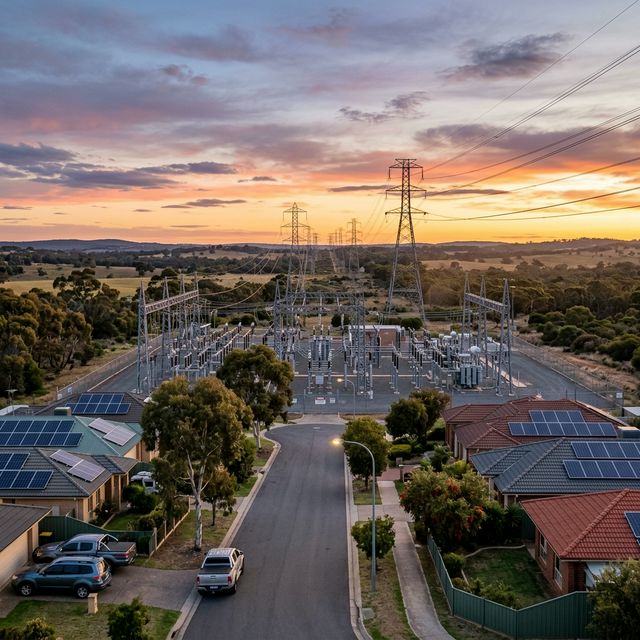
If you've ever wondered why your electricity bill mentions "network charges" or why your solar export is capped, you're bumping into the work of AEMO — the Australian Energy Market Operator. It sounds bureaucratic, but understanding the basics changes how you think about solar and batteries.
What AEMO Does
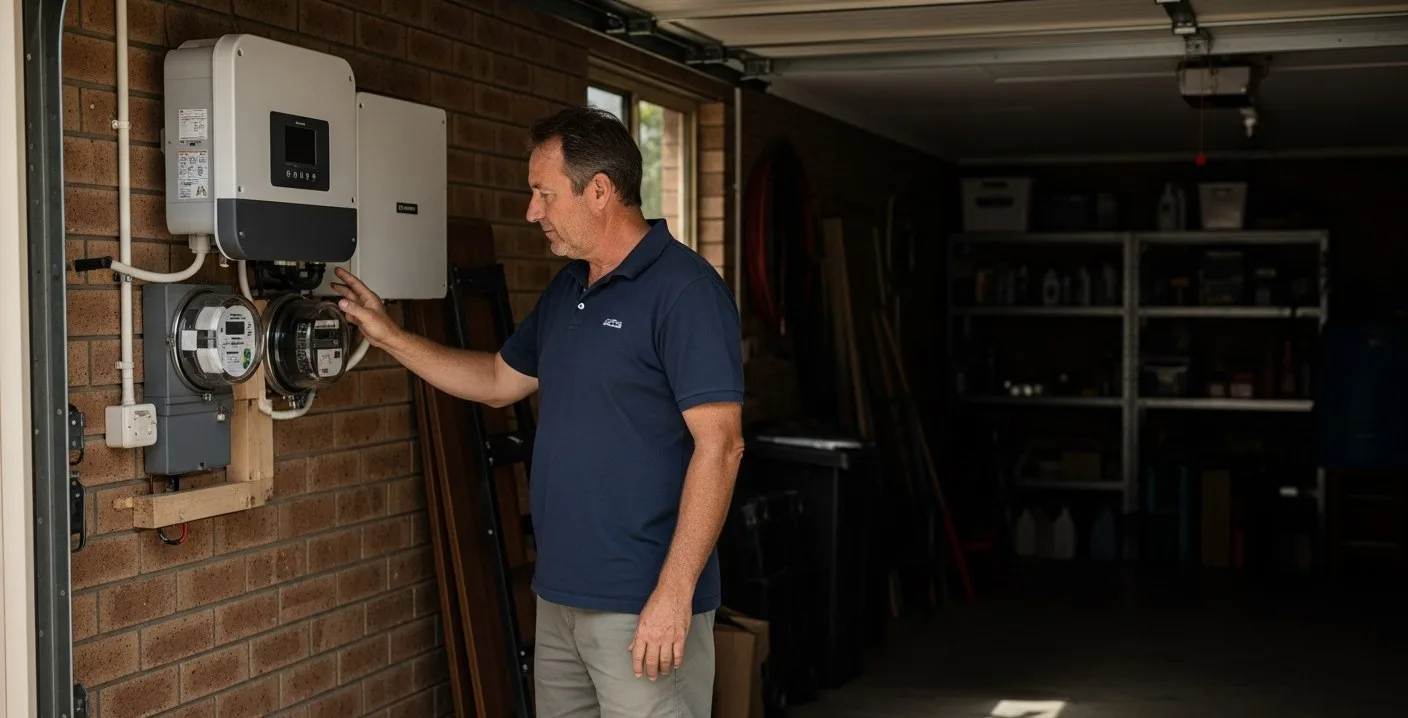
AEMO operates the National Electricity Market (NEM), which covers Queensland, New South Wales, Victoria, South Australia, Tasmania, and the ACT. Western Australia and the Northern Territory have separate systems.
AEMO's job is to keep supply and demand in balance — second by second, across thousands of generators and millions of homes. It dispatches power stations, manages emergencies, and increasingly, coordinates distributed resources like rooftop solar and home batteries.
Why It Matters If You Have Solar or a Battery
A few ways AEMO's decisions directly affect you:
- Export limits: Your distributor (DNSP) sets export limits based on grid capacity. AEMO sets the rules that govern how DNSPs can do this.
- Feed-in tariffs: Wholesale prices flow through to feed-in tariff rates offered by retailers. AEMO's spot price is the reference point.
- Virtual Power Plants: VPPs aggregate your battery into a network AEMO can call on during peak demand. This is regulated under AEMO's frameworks.
- Two-way grid participation: AEMO's Distributed Energy Integration Program (DEIP) is slowly opening the grid to let households earn money by providing grid services.
The NEM Explained Simply
Think of the NEM as a wholesale market that runs every five minutes. Generators bid to supply power at various prices. AEMO dispatches the cheapest combination that meets demand. The "spot price" — which can swing from negative (too much supply) to thousands of dollars per MWh during a crisis — is the average of those dispatch intervals.
Your retailer buys power at wholesale and sells it to you at a smoothed retail rate. They carry the price risk in between.
What Homeowners Don't Control (But Should Know)
Export limits, network tariffs, and metering upgrades are all governed by rules AEMO enforces. If your solar installer tells you that you can only export 5kW, that's your DNSP interpreting AEMO's framework for your local grid.
Knowing this helps you ask better questions — and push back when limits seem arbitrary.
Where to Learn More
AEMO's website (aemo.com.au) publishes real-time market data, including dispatch prices, solar generation totals, and demand forecasts. It's surprisingly readable once you know what you're looking at.
If you're thinking about batteries and want to understand how VPPs and grid participation could earn you money, PowerSmarter can walk you through the options and connect you with installers who know the local rules.
Comments (0)
No comments yet. Be the first to share your thoughts!