
What Does a Home Battery Installation Include? (Scope of Work)
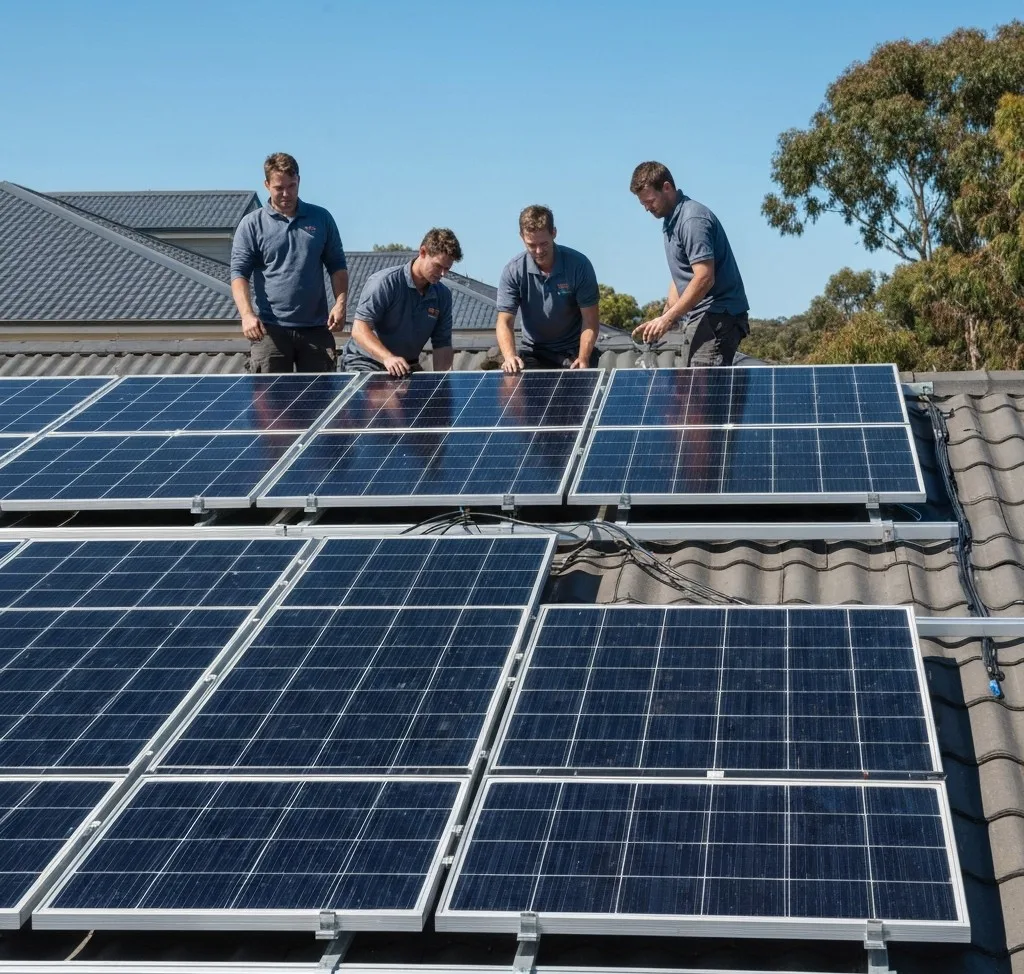
When you receive a home battery quote, it shows a price — but what exactly is included in that price? The scope of work for a battery installation is more extensive than most homeowners realise, and understanding what should be included is essential for comparing quotes fairly and avoiding unexpected costs.
The Core Hardware
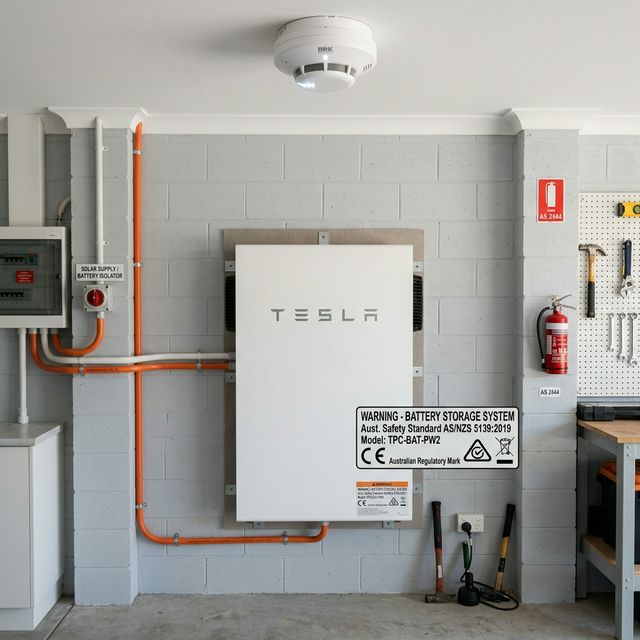
The obvious part: the battery itself. Every quote should specify:
- Battery brand and model (e.g., Tesla Powerwall 3, Sungrow SBR 9.6)
- Usable capacity in kWh (not just nameplate)
- Warranty terms (duration and capacity retention guarantee)
If the quote lists a generic "10kWh battery" without specifying the brand and model, that's not an acceptable quote. Demand specifics.
Inverter (If Not Bundled)
For AC-coupled batteries (like the Powerwall 3), the inverter is built into the battery — nothing additional needed. For DC-coupled batteries (like Sungrow SBR, BYD HVM), you need a compatible hybrid inverter. The quote should specify:
- Whether an inverter is included or you're using your existing one
- If included: inverter brand, model, and capacity (kW)
If the quote assumes you have an existing inverter but your installer hasn't confirmed compatibility, push back on this.
Mounting Hardware and Battery Enclosure
The battery needs to be physically secured to a wall or floor with appropriate mounting hardware. In some installations, an outdoor enclosure or weather protection is required. All of this should be included in the quote unless explicitly noted otherwise.
Electrical Cabling
Battery installation involves significant electrical work:
- DC cabling between solar panels, inverter, and battery (for DC-coupled systems)
- AC cabling between battery and switchboard
- Earthing and surge protection requirements
- Safety switching and disconnection devices (required by AS/NZS 5139)
All cabling, conduit, and associated electrical hardware should be included. The length of cable runs from the battery to your switchboard can be a cost variable — make sure your installer has assessed this during the site visit.
Switchboard Modifications
Many home installations require switchboard work, particularly:
- Adding a dedicated circuit breaker for the battery system
- Upgrading from an older fuse-based switchboard to a modern circuit breaker switchboard (if required)
- Installing safety switches (RCDs) if not present
Ask specifically: "Does my switchboard need any upgrades for this installation, and is that included in your quote?" Some installers quote assuming your switchboard is ready; others include a conditional allowance. Clarify this before signing.
Smart Meter Installation or Upgrade
A compatible smart interval meter is required for CHBP rebate eligibility and for optimal battery management (including TOU tariff optimisation and monitoring). If you don't already have a compatible meter, your installer should arrange this upgrade. Depending on your retailer, the smart meter may be free or may carry a cost — clarify whether this is included.
DNSP Grid Approval
In most Australian states, adding a battery to your grid-connected property requires approval from your DNSP (electricity distributor). The installer submits this application on your behalf. The process includes:
- Submission of technical specifications to the DNSP
- Any applicable connection fees (varies by DNSP)
- Export limit agreements (if applicable)
This should be managed entirely by your installer and should be included in the quote (or any DNSP fees clearly itemised). Don't accept a quote that puts DNSP responsibility on you.
Commissioning
After physical installation, the system needs to be commissioned — connected, tested, configured, and verified as working correctly. This includes:
- System function test (solar input, battery charging/discharging, backup mode)
- Monitoring app setup and connectivity verification
- TOU scheduling configuration
- Handover walkthrough with the homeowner
Documentation
You should receive:
- Compliance certificate for the electrical work
- DNSP approval confirmation
- Product warranty documents
- Installer workmanship warranty in writing
- CHBP rebate claim confirmation (if applicable)
The Summary Checklist
Before signing any quote, confirm in writing that these are included:
- Battery hardware (brand, model, usable kWh)
- Inverter (if required)
- All cabling and electrical hardware
- Switchboard modifications (or clearly stated that none are needed)
- Smart meter (or confirmation yours is already compatible)
- DNSP application and any connection fees
- Commissioning and monitoring setup
- All required documentation and warranties
Comments (0)
No comments yet. Be the first to share your thoughts!